%2Ffit-in%2F250x250%2Fguide_websites%2F56857%2Fimages%2F1769130219396gemini_generated_image_2eyqoh2eyqoh2eyq-removebg-preview.png&w=1920&q=100)
/users/42b449cb-d3a9-44e3-8cf1-60631a2ff7af/ratecard/redfish14-mmustmu9.jpg)
%2F300x300%2Fusers%2F42b449cb-d3a9-44e3-8cf1-60631a2ff7af%2Fratecard%2Fredfish14-mmustmu9.jpg&w=256&q=75)
%2F300x300%2Fusers%2F42b449cb-d3a9-44e3-8cf1-60631a2ff7af%2Fimages%2Fredfish-caught-florida-2687.jpg&w=256&q=75)
%2F300x300%2Fusers%2F42b449cb-d3a9-44e3-8cf1-60631a2ff7af%2Fimages%2Fsnook-fishing-florida-2663.jpg&w=256&q=75)
%2F300x300%2Fusers%2F42b449cb-d3a9-44e3-8cf1-60631a2ff7af%2Fimages%2Fanglers-catch-spotted-weakfish-fl-2749.jpg&w=256&q=75)
%2F300x300%2Fusers%2F42b449cb-d3a9-44e3-8cf1-60631a2ff7af%2Fimages%2Fcaught-best-weakfish-fl-2414.jpg&w=256&q=75)
%2F300x300%2Fusers%2F42b449cb-d3a9-44e3-8cf1-60631a2ff7af%2Fimages%2Fblacktip-shark-fishing-largo-2646.jpg&w=256&q=75)
%2F300x300%2Fusers%2F42b449cb-d3a9-44e3-8cf1-60631a2ff7af%2Fimages%2Ftarpon-fishing-florida-2810.jpg&w=256&q=75)
%2F300x300%2Fusers%2F42b449cb-d3a9-44e3-8cf1-60631a2ff7af%2Fimages%2Fcobia-fish-florida-fishing-2772.jpg&w=256&q=75)
%2F300x300%2Fusers%2F42b449cb-d3a9-44e3-8cf1-60631a2ff7af%2Fimages%2Fsummer-flounder-florida-fishing-2749.jpg&w=256&q=75)
%2F300x300%2Fusers%2F42b449cb-d3a9-44e3-8cf1-60631a2ff7af%2Fimages%2Ftwo-anglers-catch-redfish-in-2656.jpg&w=256&q=75)
%2F300x300%2Fusers%2F42b449cb-d3a9-44e3-8cf1-60631a2ff7af%2Fimages%2Fbest-great-tarpon-catch-largo-2714.jpg&w=256&q=75)
Half Day Redfish Snook Charter Clearwater
 Clearwater, FL
What you will be catching:
 Redfish
 Sea Trout
 Snook
Snook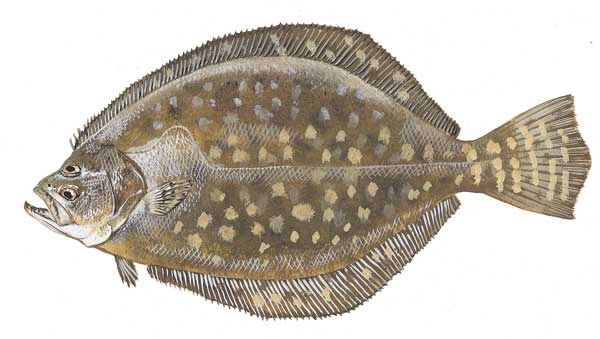 Southern Flounder
 Spanish Mackerel
- This 4-hour inshore fishing charter puts you right in the heart of Clearwater's best fishing grounds. You'll work the flats and mangrove shorelines aboard a well-equipped 22' Tidewater, targeting redfish, snook, spotted seatrout, and Spanish mackerel using light tackle techniques. The captain provides all the gear, bait, and local knowledge you need, plus your fishing license and drinks are covered. Perfect for beginners or experienced anglers, with morning and afternoon trips available. Just bring polarized sunglasses and reef-safe sunscreen. It's a focused half-day trip that maximizes your time on productive water with species that really fight.
Trip Pricing and Availabilities:
Half Day Inshore Fishing Charter - Clearwater
Picture this: you're standing on the bow of a 22-foot Tidewater bay boat, watching the sun paint Clearwater's flats in shades of emerald and gold. The water's so clear you can see redfish tailing 50 yards out, and your guide's already rigging up the perfect presentation. That's exactly what you'll get with Wish Upon A Fish Charters – a top-rated half-day adventure that puts you right in the heart of some of Florida's most productive inshore waters. Whether you're a weekend warrior looking to dial in your technique or someone who's never held a fishing rod, this 4-hour trip delivers the kind of action that keeps anglers coming back season after season.
What to Expect on the Water
Your morning starts with a quick meet-and-greet at the dock, where Captain will walk you through the game plan for the day. We're talking about hitting the flats and mangrove shorelines where the fish actually live – not just where they might show up. The beauty of a half-day charter is that it gives you enough time to really get into the rhythm without feeling rushed, but keeps things moving so you're always in the action. You'll have your choice of morning or afternoon departure times, which is huge because different species feed at different times of day. Morning trips often catch the tail end of the dawn bite, while afternoon charters let you capitalize on that golden hour feeding frenzy. The boat comes loaded with everything you need – rods, reels, bait, tackle, and even your Florida fishing license. All you need to bring is polarized sunglasses (trust me, you'll want them for sight fishing) and non-spray sunscreen that won't spook the fish.
Light Tackle Techniques
This isn't your grandfather's heavy-tackle deep sea fishing. We're talking finesse here – light tackle that lets you feel every bump, every twitch, every heart-stopping moment when a snook crashes your topwater plug. The captain will have you working with spinning reels spooled with 10-15 pound test, perfect for the shallow water presentations that drive these inshore species crazy. You'll learn to cast tight to mangrove roots where snook hide in the shadows, work soft plastics along grass edges where sea trout patrol, and maybe even get some shots at tailing redfish in skinny water. The Tidewater bay boat is perfect for this kind of fishing – it draws minimal water so we can get into spots where the big boats can't go, but it's stable enough that you can make accurate casts without worrying about your footing. The flats around Clearwater are legendary for a reason: they're shallow enough to sight fish, structured enough to hold bait, and diverse enough that you're never fishing the same spot twice.
Top Catches This Season
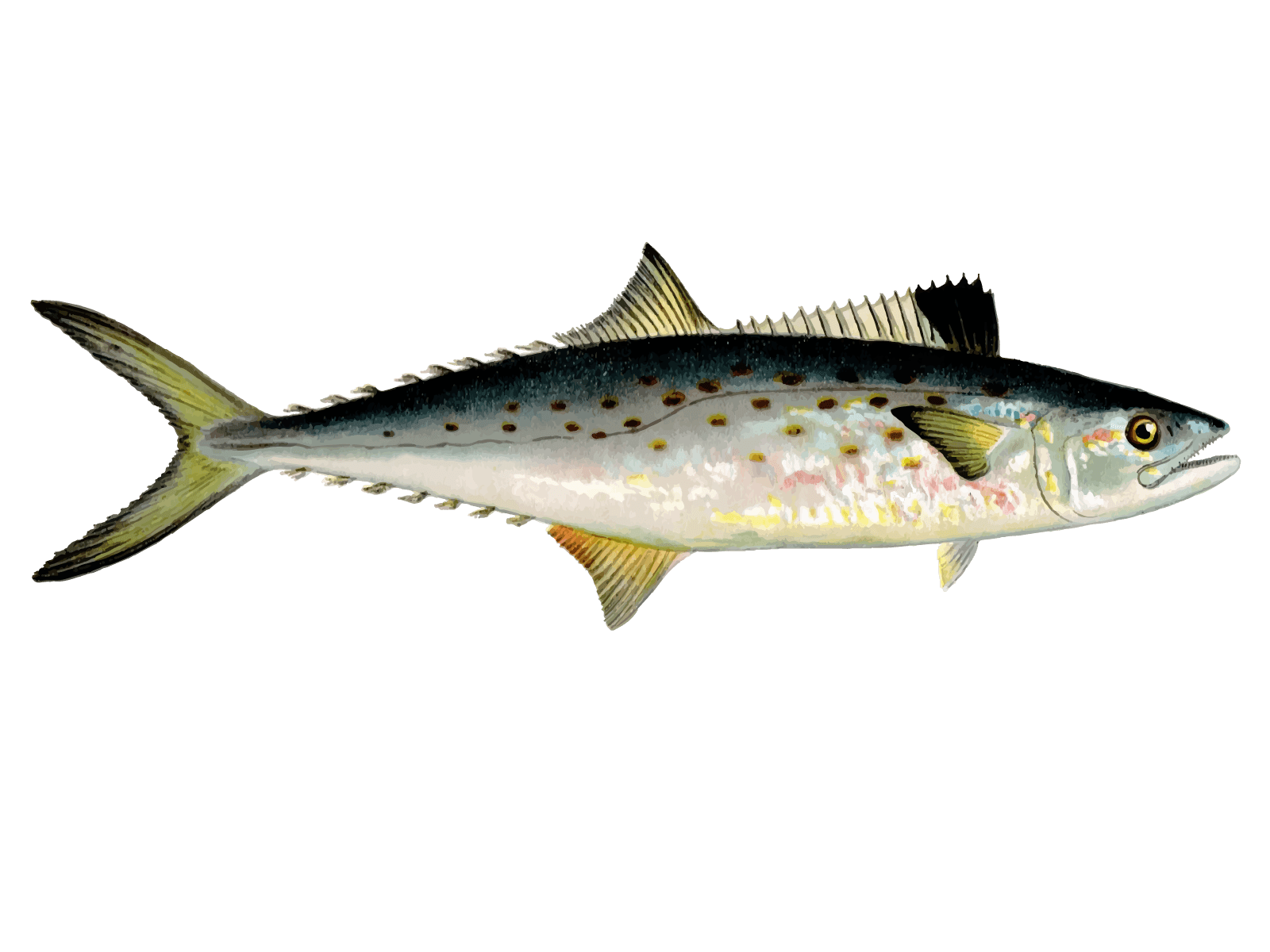
Spanish Mackerel are the speed demons of the inshore world, and Clearwater's waters are absolutely loaded with them. These silver bullets typically run 1-3 pounds and fight way above their weight class. They're most active during the warmer months, and you'll often find them busting bait on the flats in the early morning or late afternoon. What makes them so exciting is their willingness to hit just about anything that moves – spoons, jigs, even topwater plugs when they're really fired up. The key is keeping your drag loose because they'll make screaming runs that'll test your backing.
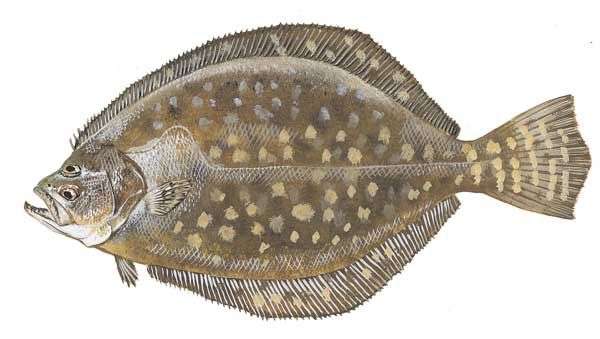
Southern Flounder are the masters of disguise, lying flat against sandy bottoms waiting to ambush unsuspecting prey. These flatfish can grow surprisingly large in Clearwater's waters, with keeper-sized fish ranging from 12-20 inches. Fall is prime time for flounder fishing when they're staging near passes before their offshore spawning run. They're exciting to catch because the bite is so subtle – often just a gentle tap or the weight feeling different as they grab your bait and try to settle back to the bottom. Once hooked, they put up a bulldogging fight that'll surprise first-time flounder anglers.
Snook are hands-down the most sought-after inshore species in Florida, and for good reason. These silver-sided ambush predators love structure – docks, mangrove roots, bridge pilings – anywhere they can hide and strike. They're incredibly line-shy, which makes light tackle fishing even more important. A good snook will test every knot, every connection, and your patience as they try to cut you off on oyster bars or wrap you around mangrove roots. Peak season runs through the warmer months, but Clearwater's year-round mild climate means there's always a chance of connecting with one of these legendary fighters.
Sea Trout (Spotted Seatrout) are the bread and butter of inshore fishing in Clearwater. These speckled beauties love grass flats and can be targeted year-round, though spring and fall typically offer the most consistent action. They're perfect for light tackle fishing because they're aggressive enough to hit artificial lures but finicky enough that presentation matters. A good "gator trout" – anything over 20 inches – will give you a fight you won't forget, with head-shaking jumps and powerful runs across the flats.
Redfish are the ultimate sight-fishing species, and watching one cruise the shallows with its back out of water is something every angler should experience. These copper-colored bulldogs are famous for their never-give-up attitude once hooked. In Clearwater, they range from schooling "rat reds" around 16-20 inches to monster bull reds that can stretch your arms and test your gear. They're most active in the morning and evening hours, and there's nothing quite like watching a redfish turn on your bait in crystal-clear shallow water.
Time to Book Your Spot
Here's the bottom line: Clearwater's inshore fishing scene is world-class, and Wish Upon
Learn more about the species
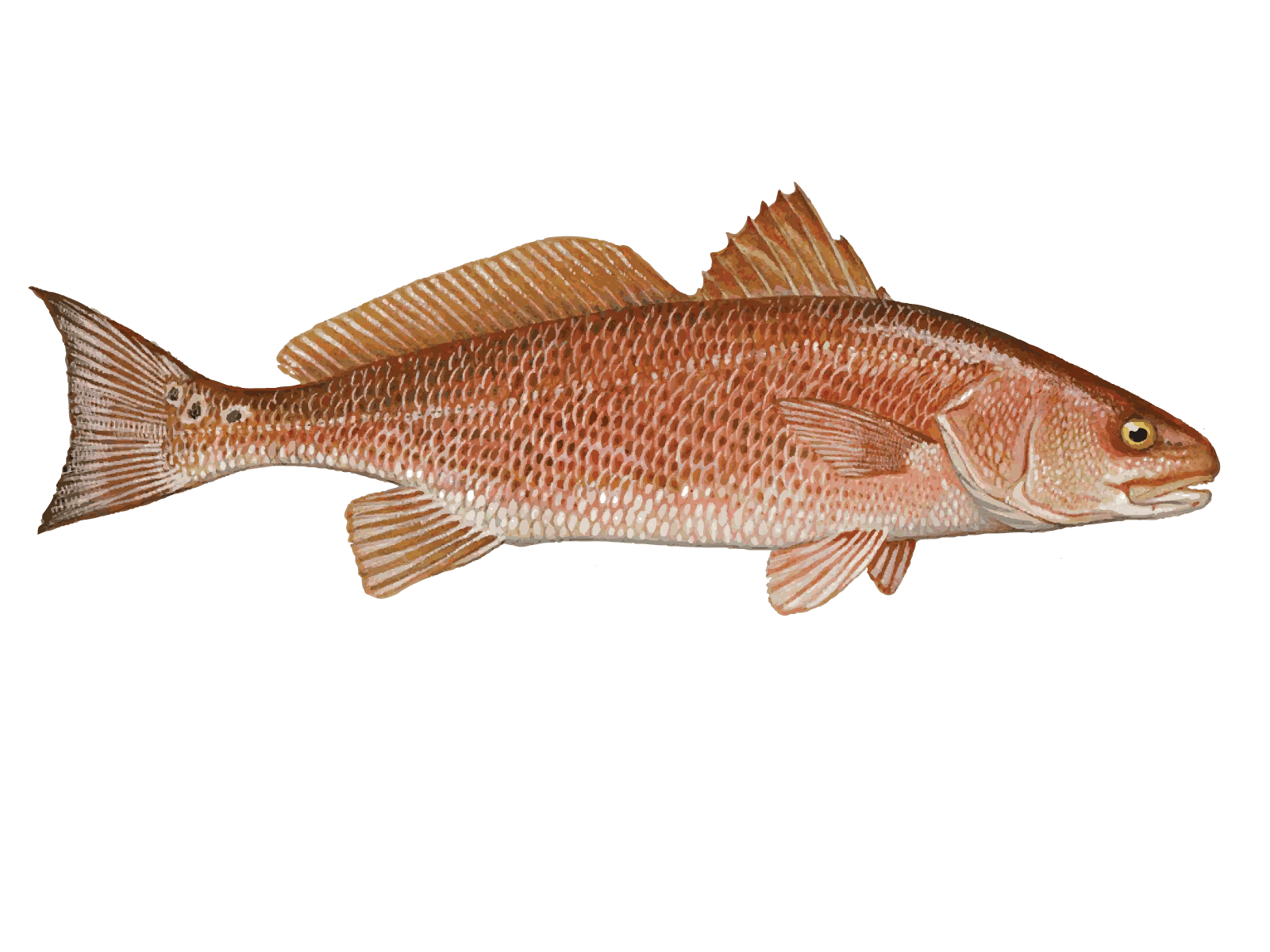
Redfish
Those copper-colored backs with the signature black spots near the tail are what shallow water dreams are made of. Redfish typically run 20-30 inches around here and are built like bulldozers. They cruise super shallow flats, oyster bars, and mangrove shorelines in just 1-4 feet of water - sometimes so shallow their backs show. Year-round fishing with spring and fall peaks when they're most active. Guests love watching them cruise the flats and that powerful, sustained fight they put up. Plus they're fantastic eating when kept within slot limits. Pro tip: look for nervous water or tails sticking up. When you spot one, there's usually more nearby cruising the same area.
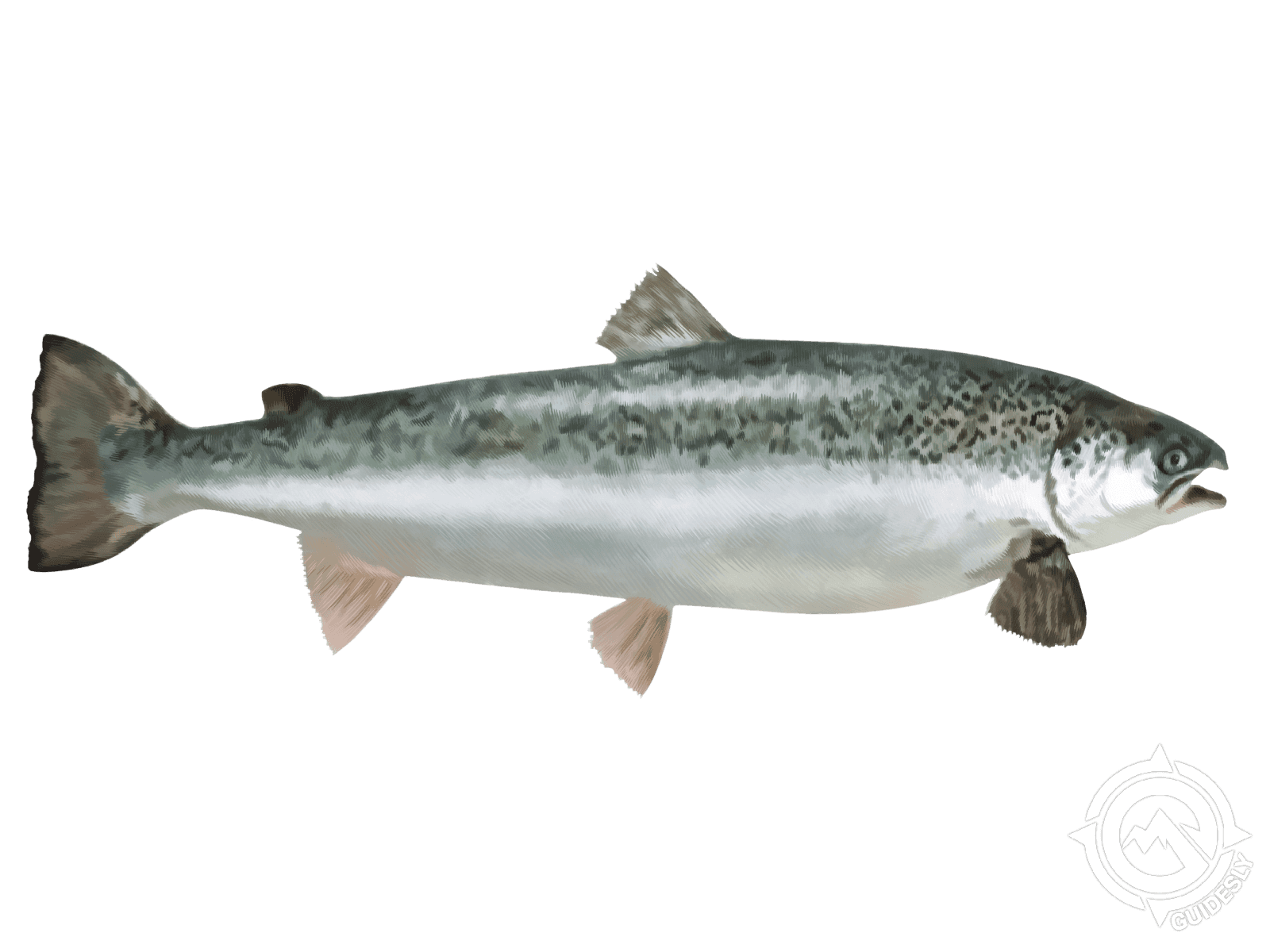
Sea Trout
These spotted beauties are the bread and butter of our grass flats fishing. Most spotted seatrout run 14-20 inches and 1-3 pounds, with those distinctive dark spots scattered across their silver sides. They love shallow grass flats and sandy areas in 3-8 feet of water, especially during dawn and dusk. Spring through fall offers the best action, with cooler months pushing them into deeper channels. Guests appreciate their willingness to bite and that soft mouth that keeps you on your toes. They're also excellent eating with delicate, flaky meat. Key tip: use a light drag and keep steady pressure. That soft mouth means you'll lose them if you horse them in.
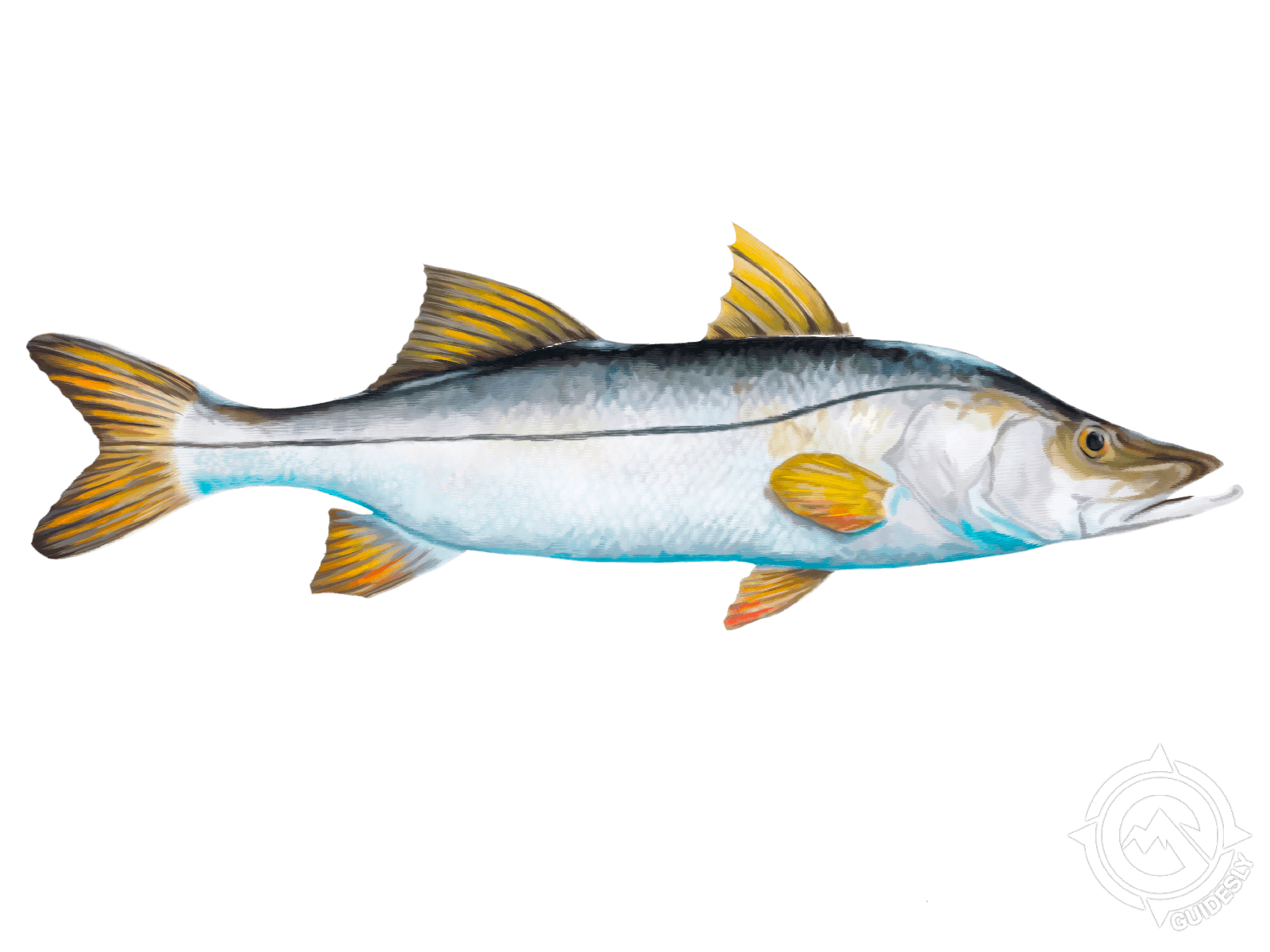
Snook
The silver sides with that bold black lateral line are what every angler wants to see. Snook around here typically run 18-30 inches and put up one of the best fights in shallow water. They're ambush predators that love hanging around mangroves, docks, and structure in 2-6 feet of water. Best action happens during warmer months, especially around new and full moons when they're more active. Guests go crazy for their explosive strikes and those drag-screaming runs toward cover. They're also great table fare with sweet, white meat. My go-to trick: work your lure parallel to the mangroves, not away from them. Let it fall into pockets and expect the hit on the drop.
Southern Flounder
These masters of disguise are the ninjas of the flats. Southern flounder typically run 15-18 inches and around 3-5 pounds, with both eyes on their left side and an ability to perfectly match the bottom they're lying on. Look for them buried in sand or mud around oyster bars, creek mouths, and shallow flats in 2-8 feet of water. Fall and winter are prime time when they're moving toward passes and deeper water. Guests love the challenge of spotting them and that solid, determined fight once hooked. They're also some of the best eating fish we catch. Here's what works: slow your presentation way down. Drag that bait right along the bottom - they won't chase it far.
Spanish Mackerel
These silver torpedoes with their signature yellow spots are pure speed on the water. Spanish mackerel typically run 1-2 feet long and 2-5 pounds around Clearwater, but they make up for size with blazing fast runs. You'll find schools near the surface around grass flats, especially during warmer months when they're actively feeding on baitfish. They hit hard and fast - no hesitation. What guests love is the consistent action when we locate a school, plus they're fantastic eating with that mild, flaky meat. Perfect for grilling back at the dock. My tip: when you see one, get ready for more. They travel in groups, so keep that lure in the water and work the area thoroughly.
About the Wish Upon A Fish
%2F%2Fusers%2F42b449cb-d3a9-44e3-8cf1-60631a2ff7af%2Fvehicle_picture%2F1bfbbabc-d4b2-495a-94a6-c2158edf37d3.jpg&w=1920&q=75)
Vehicle Guest Capacity: 6
Manufacturer Name: Yamaha
Maximum Cruising Speed: 45
Number of Engines: 1
Horsepower per Engine: 200