%2Ffit-in%2F250x250%2Fguide_websites%2F56857%2Fimages%2F1769130219396gemini_generated_image_2eyqoh2eyqoh2eyq-removebg-preview.png&w=1920&q=100)
/users/42b449cb-d3a9-44e3-8cf1-60631a2ff7af/ratecard/472383918_524196987316710_6301604402918793936_n-mkq7e59o.jpg)
%2F300x300%2Fusers%2F42b449cb-d3a9-44e3-8cf1-60631a2ff7af%2Fratecard%2F472383918_524196987316710_6301604402918793936_n-mkq7e59o.jpg&w=256&q=75)
%2F300x300%2Fusers%2F42b449cb-d3a9-44e3-8cf1-60631a2ff7af%2Fimages%2Fredfish-caught-florida-2687.jpg&w=256&q=75)
%2F300x300%2Fusers%2F42b449cb-d3a9-44e3-8cf1-60631a2ff7af%2Fimages%2Fsnook-fishing-florida-2663.jpg&w=256&q=75)
%2F300x300%2Fusers%2F42b449cb-d3a9-44e3-8cf1-60631a2ff7af%2Fimages%2Fanglers-catch-spotted-weakfish-fl-2749.jpg&w=256&q=75)
%2F300x300%2Fusers%2F42b449cb-d3a9-44e3-8cf1-60631a2ff7af%2Fimages%2Fcaught-best-weakfish-fl-2414.jpg&w=256&q=75)
%2F300x300%2Fusers%2F42b449cb-d3a9-44e3-8cf1-60631a2ff7af%2Fimages%2Fblacktip-shark-fishing-largo-2646.jpg&w=256&q=75)
%2F300x300%2Fusers%2F42b449cb-d3a9-44e3-8cf1-60631a2ff7af%2Fimages%2Ftarpon-fishing-florida-2810.jpg&w=256&q=75)
%2F300x300%2Fusers%2F42b449cb-d3a9-44e3-8cf1-60631a2ff7af%2Fimages%2Fcobia-fish-florida-fishing-2772.jpg&w=256&q=75)
%2F300x300%2Fusers%2F42b449cb-d3a9-44e3-8cf1-60631a2ff7af%2Fimages%2Fsummer-flounder-florida-fishing-2749.jpg&w=256&q=75)
%2F300x300%2Fusers%2F42b449cb-d3a9-44e3-8cf1-60631a2ff7af%2Fimages%2Ftwo-anglers-catch-redfish-in-2656.jpg&w=256&q=75)
%2F300x300%2Fusers%2F42b449cb-d3a9-44e3-8cf1-60631a2ff7af%2Fimages%2Fbest-great-tarpon-catch-largo-2714.jpg&w=256&q=75)
Clearwater Nearshore Fishing Charter Gulf Waters
 Clearwater, FL
What you will be catching:
 Cobia
Cobia King Mackerel
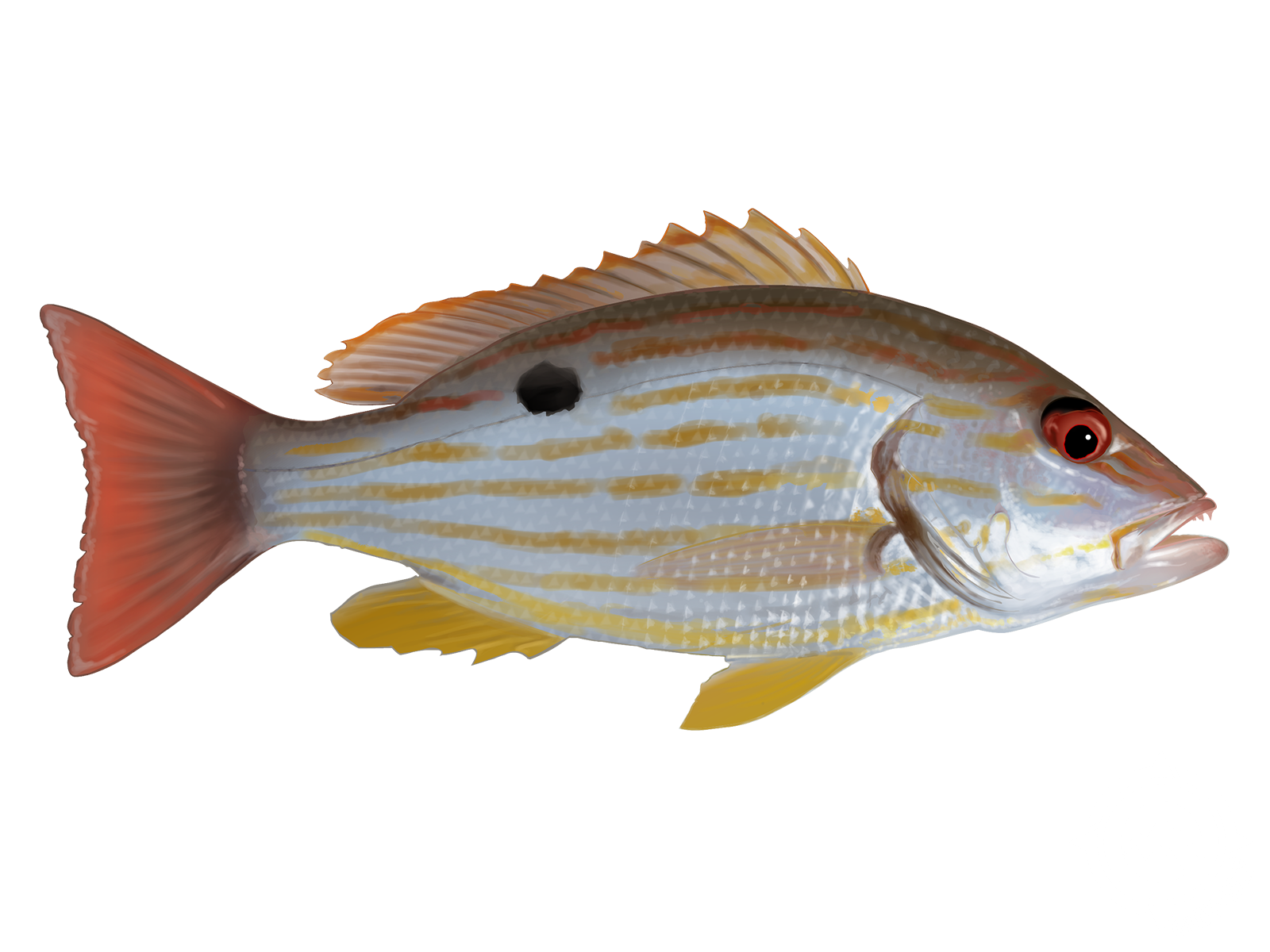 Lane Snapper
 Spanish Mackerel
 Tripletail
- Join Captain Ethan for productive nearshore fishing in Clearwater's Gulf waters. These half-day and three-quarter day charters target seasonal favorites like Cobia, King Mackerel, and Tripletail, plus reliable bottom fish including Gag Grouper and Mangrove Snapper. You'll fish from a stable 22' Tidewater boat that handles well in nearshore conditions. Perfect for beginners or seasoned anglers
- Captain Ethan provides all the gear, licenses, live bait, and tackle you need. He'll also clean and fillet your catch at no extra charge. The small group size means personalized attention and more time with lines in the water targeting productive Gulf spots.
Trip Pricing and Availabilities:
Clearwater Nearshore Wreck Fishing Charter
Captain Ethan knows the Gulf waters off Clearwater like the back of his hand, and he's ready to put you on some serious fish. This isn't your typical bay trip – we're talking about targeting productive nearshore wrecks where the big boys hang out. Whether you've got 4 hours or can commit to a full 6-hour adventure, you'll be fishing from a rock-solid 22' Tidewater that handles these Gulf waters like a dream. With just 2 anglers max, you get personalized attention and plenty of room to fight fish without bumping elbows. Captain Ethan provides everything you need – from your Florida fishing license to fresh live bait and top-shelf tackle. Plus, he'll clean and fillet your catch so you can focus on the fun part.
What to Expect on the Water
These nearshore wreck trips are where things get interesting. We're not just throwing lines over the side and hoping for the best. Captain Ethan runs a tight ship, positioning the boat over known structure and wrecks that hold fish year-round. The 4-hour half-day option gets you out to the productive zones without eating up your whole day, perfect if you're balancing family time or other vacation plans. The 6-hour trip lets us explore multiple spots and really dial in on what's biting. Don't worry about your skill level – whether you're a weekend warrior or this is your first time holding a rod, Captain Ethan adapts the approach to keep everyone in the game. The Tidewater platform gives you a stable deck to work from, which matters when you're wrestling with a king mackerel that doesn't want to come to the boat.
Wreck Fishing Techniques
Wreck fishing is all about reading the structure and understanding how fish relate to it. Captain Ethan uses quality electronics to pinpoint the wrecks and mark fish, then positions the boat for drift fishing or anchoring depending on conditions. We'll be working with both live bait and artificials – sometimes a lively sardine dropped down to the wreck produces explosive strikes from grouper, while slow-trolling spoons around the edges can trigger savage hits from kings and cobia. The tackle is sized right for the job – heavy enough to pull fish out of structure but sporting enough to let you feel the fight. When we're targeting pelagics like tripletail, it's about spotting floating debris and making precise casts to visible fish. The Gulf nearshore zone offers incredible variety, and Captain Ethan knows how to adjust tactics throughout the trip to keep the action going.
Top Catches This Season
King Mackerel are the crown jewel of these nearshore trips, and for good reason. These silver bullets can stretch 20-40 pounds and make blistering runs that test your drag and your nerves. Spring through fall brings the best action, with peak times in summer when they're stacked up on the wrecks. They're ambush predators that love to slam trolled baits or pounce on live bait suspended near structure. The fight is pure adrenaline – long runs, head shakes, and aerial displays that leave you grinning long after the fish is in the boat.
Cobia are another nearshore favorite that gets anglers fired up. These brown sharks with attitude can push 30-50 pounds and fight like they're twice that size. They cruise around wrecks and floating debris, often visible right at the surface. Spring migration brings big numbers through Clearwater waters, but resident fish provide action year-round. What makes cobia special is their curiosity – they'll follow the boat and inspect baits, giving you a clear shot at a fish you can actually see. When they eat, it's game on with powerful runs and stubborn fights near the bottom.
Tripletail might be the most unique catch on these trips. These odd-looking fish float on their sides near debris and channel markers, looking like floating leaves until they come alive on your line. They're excellent table fare and provide surprising fights for their size, often in the 3-10 pound range. Summer and early fall offer the best opportunities, and spotting them requires keen eyes and precise casting. There's something special about sight-fishing to a visible tripletail and watching it inhale your bait.
Lane Snapper are the perfect confidence builder for newer anglers while still providing plenty of fun for experienced fishermen. These colorful bottom dwellers are abundant around Gulf wrecks and eager to eat. They typically run 1-3 pounds but make up for size with numbers and fighting spirit. Year-round availability makes them a reliable target, and their excellent eating quality means they're always welcome in the cooler. They're also great for kids who want constant action and the satisfaction of bringing fish to the boat.
Spanish Mackerel round out the target list with fast-paced action that keeps things lively. These smaller cousins to kings rarely exceed 3-4 pounds, but they make up for it with aggressive strikes and acrobatic fights. They're abundant in warm months and respond well to both live bait and small artificials. Spanish mackerel are perfect for lighter tackle and provide non-stop action when they're schooled up around the wrecks.
Time to Book Your Spot
This is what Gulf Coast fishing is all about – productive waters, quality equipment, and a captain who knows how to put you on fish. Captain Ethan's attention to detail shows in everything from the fresh bait to the clean fillets you'll take home. The intimate 2-person capacity means you're not just another face in the crowd, and the stable Tidewater platform gives you the best shot at landing fish of a lifetime. Whether you choose the half-day option to get a taste of nearshore action or commit to the full 6-hour adventure, you're setting yourself up for the kind of fishing stories that get better every time you tell them. These Clearwater wrecks are loaded with fish year
Learn more about the species
Cobia
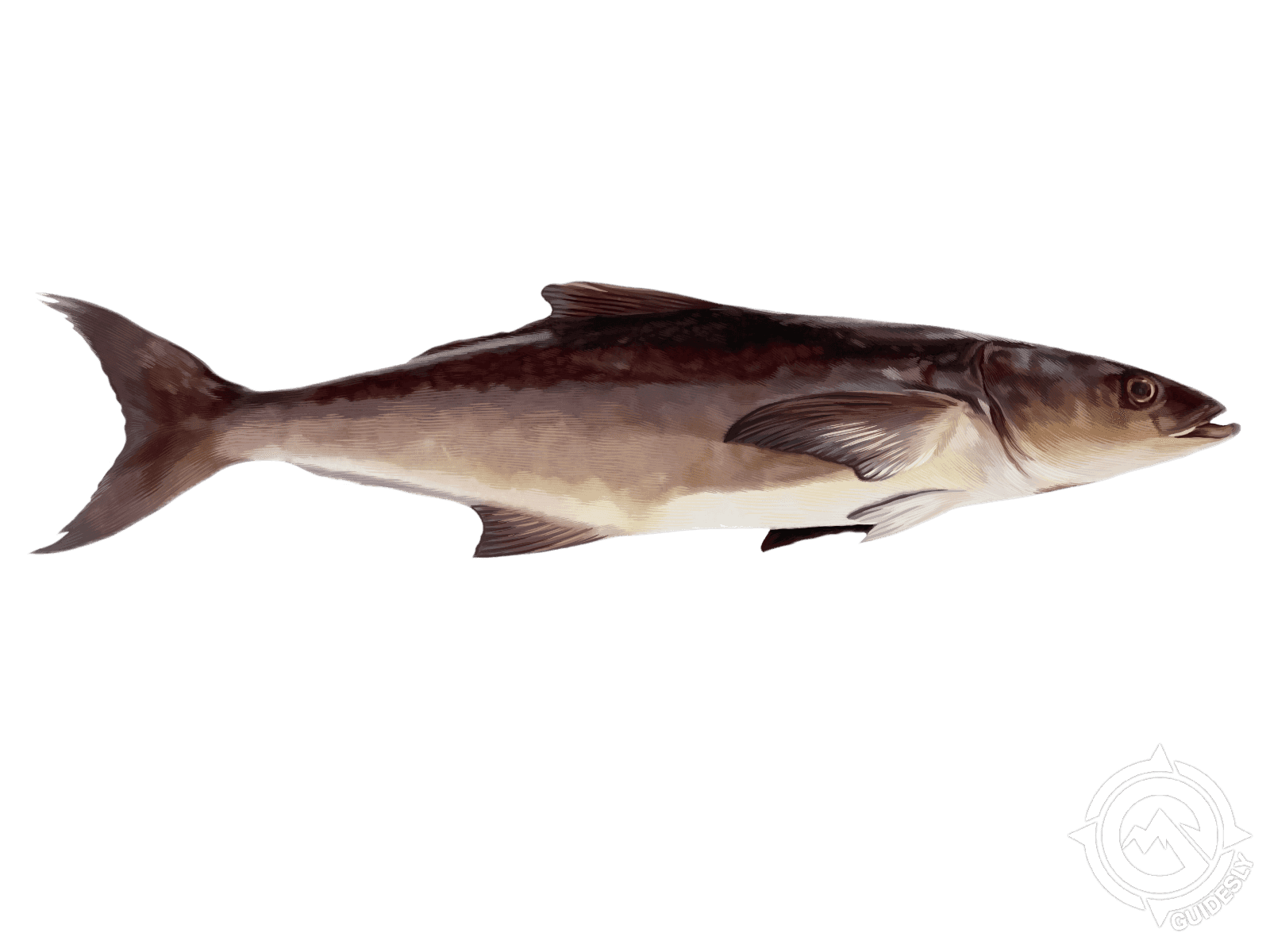
Cobia are like the bulldogs of the Gulf - dark brown, stocky, and built for power. These fish average 20-50 pounds but can push 80+ pounds when we find the big females. They love hanging around structure like buoys, wrecks, and channel markers in 20-60 feet of water. Spring migration from March through May is prime time, with good action continuing through summer. What guests love most is the visual fishing - we spot them cruising just under the surface, then pitch live bait or jigs right to them. They fight hard with strong runs and head shakes. The white, flaky meat rivals grouper for table fare. Pro tip: when you see one cobia, look around carefully - they're usually alone, but sometimes travel in small groups during spawn.
King Mackerel
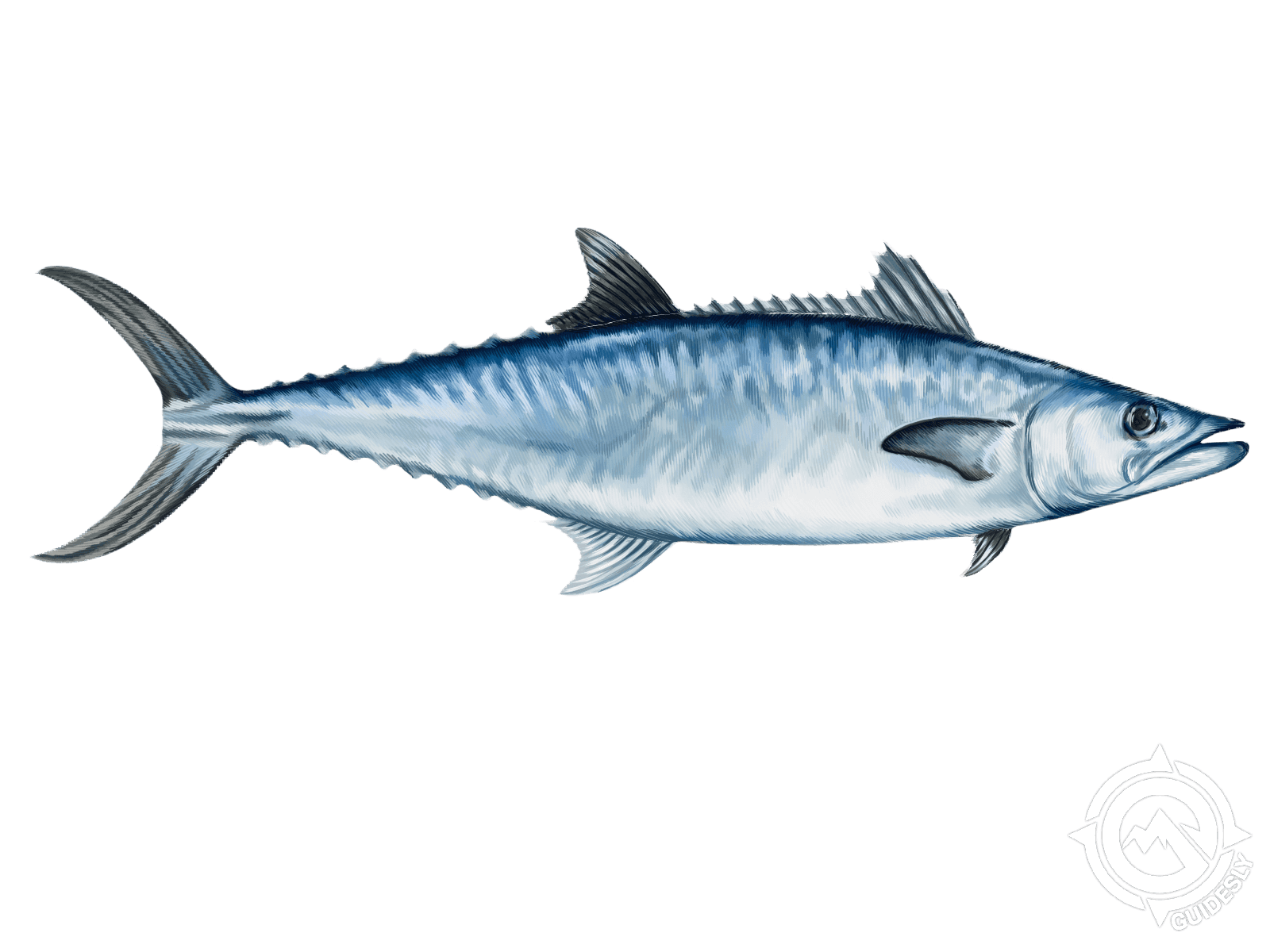
King mackerel are speed demons that'll test your drag system. These silvery rockets typically run 20-40 pounds in our Gulf waters, though we see some pushing 60+ pounds. They cruise the 40-150 foot depths, often following baitfish along temperature breaks and structure edges. Spring through fall gives us the best action when they're actively feeding near the surface. What makes kings special is their blistering runs - they'll strip line like crazy when hooked. The meat's excellent smoked or grilled, with that rich, oily texture that's perfect for the grill. My tip: always use a wire leader since their razor teeth will cut through mono in a heartbeat. When trolling, keep your speed around 6-8 knots and watch for diving birds marking bait schools.
Lane Snapper
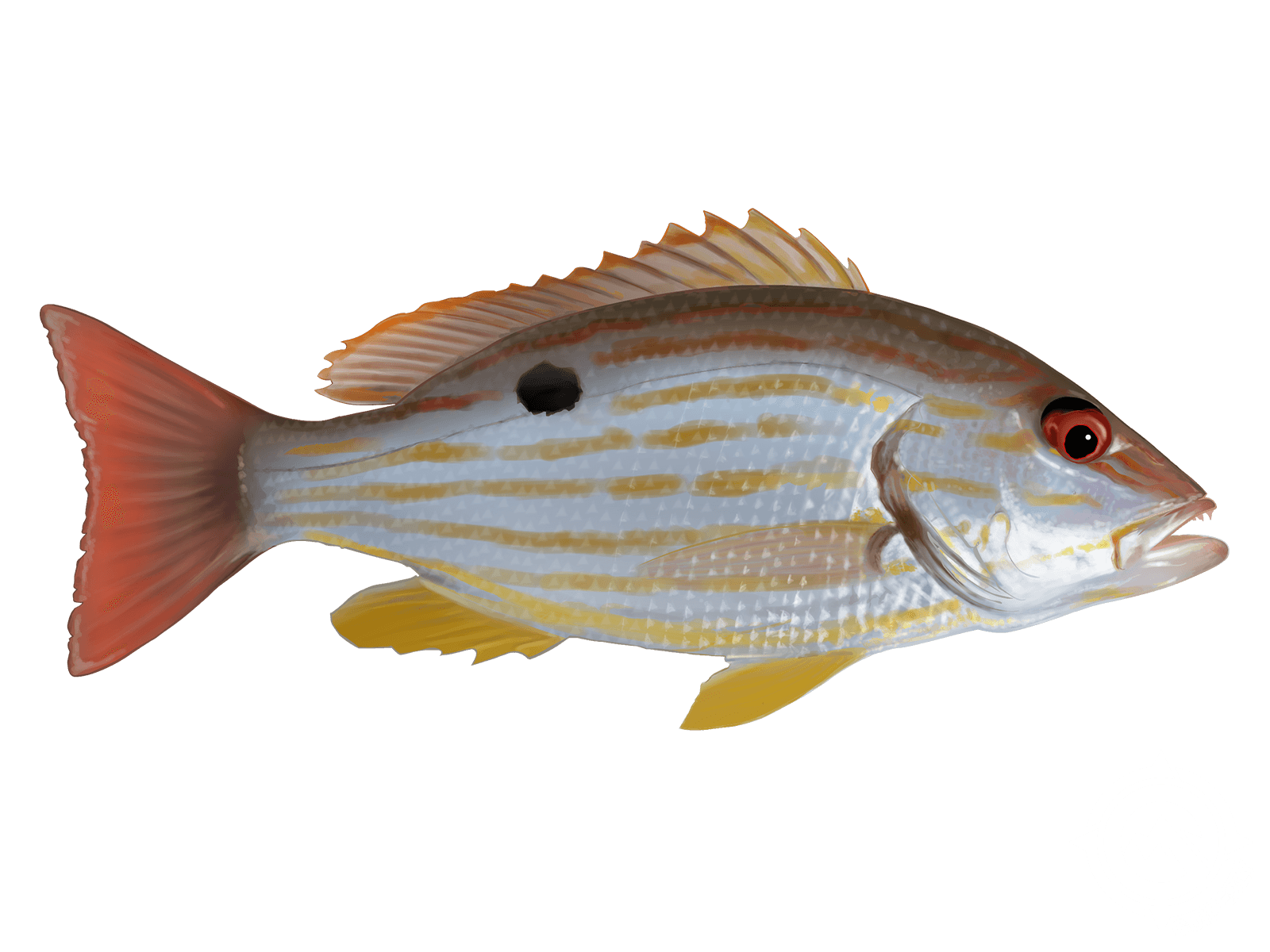
Lane snappers are the perfect starter fish for families - they're aggressive, colorful, and excellent eating. These pink and yellow striped beauties typically run 10-14 inches and fight harder than their size suggests. We find them around coral patches, ledges, and structure in 20-100 feet throughout the year, though spring and summer offer the most consistent action. What makes lanes great is they're not shy about biting - they'll often hit before the bait reaches bottom. Kids love the steady action and bright colors. The meat is sweet and flaky, perfect for fish tacos. My advice: use small hooks with fresh shrimp or cut squid, and don't be surprised if you catch them while targeting bigger snapper. They travel in schools, so where there's one, there's usually more.
Spanish Mackerel
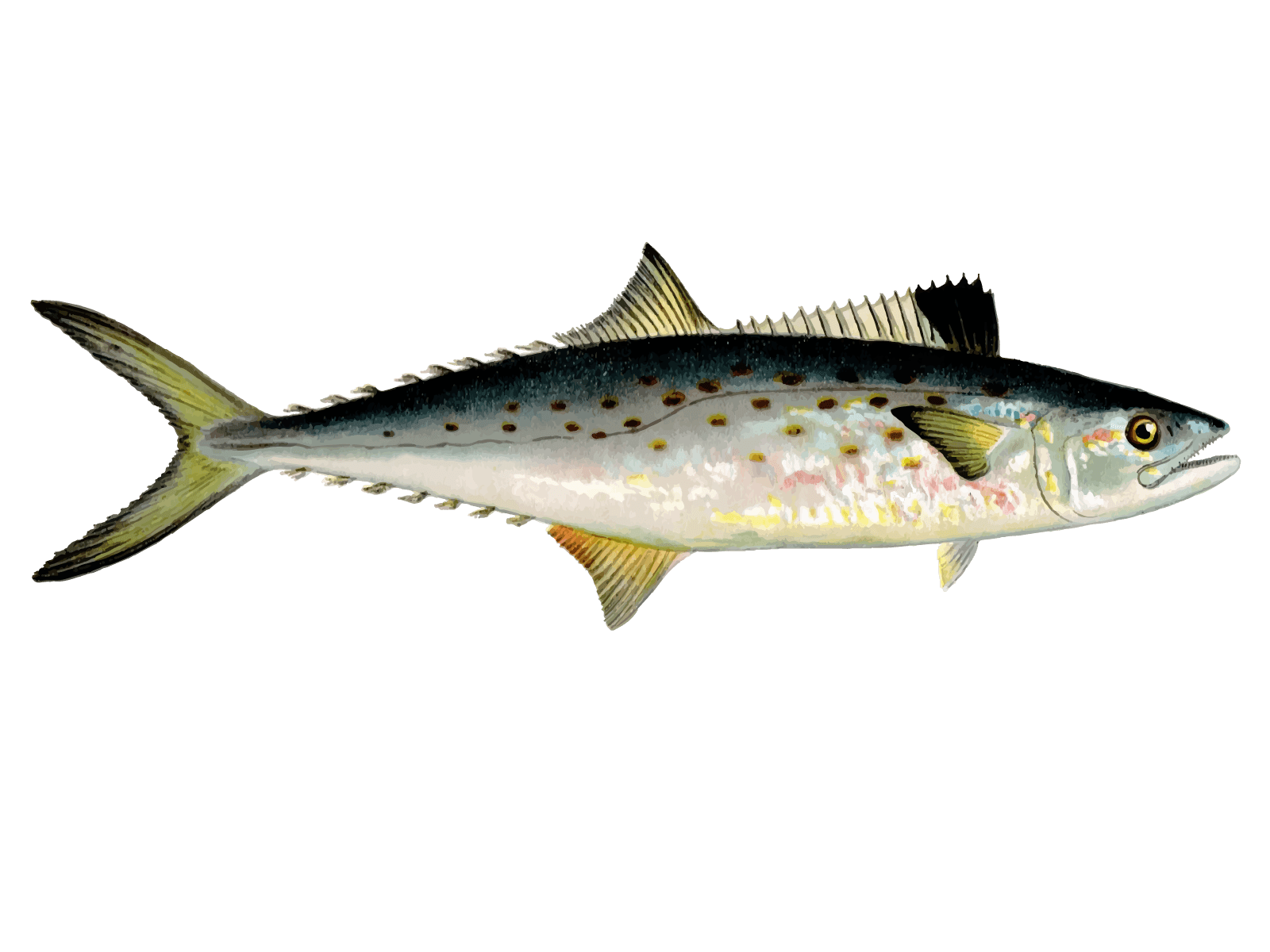
Spanish mackerel are the perfect introduction to high-speed Gulf fishing. These streamlined speedsters with golden spots typically run 1-3 pounds and travel in massive schools that can stretch for miles. We find them in 20-60 feet near structure, bait pods, and temperature breaks from spring through fall. What guests love is the nonstop action - when you find a school, everyone gets bent. They're lightning fast with sharp teeth, making every hookup exciting. The meat is rich and oily, perfect for smoking or grilling fresh. Here's my trick: when trolling small spoons or jigs, watch for diving birds and nervous bait on the surface. Once you hook up, keep your lines in the water - the school will often stick around for multiple fish. Use light tackle for maximum fun.
Tripletail
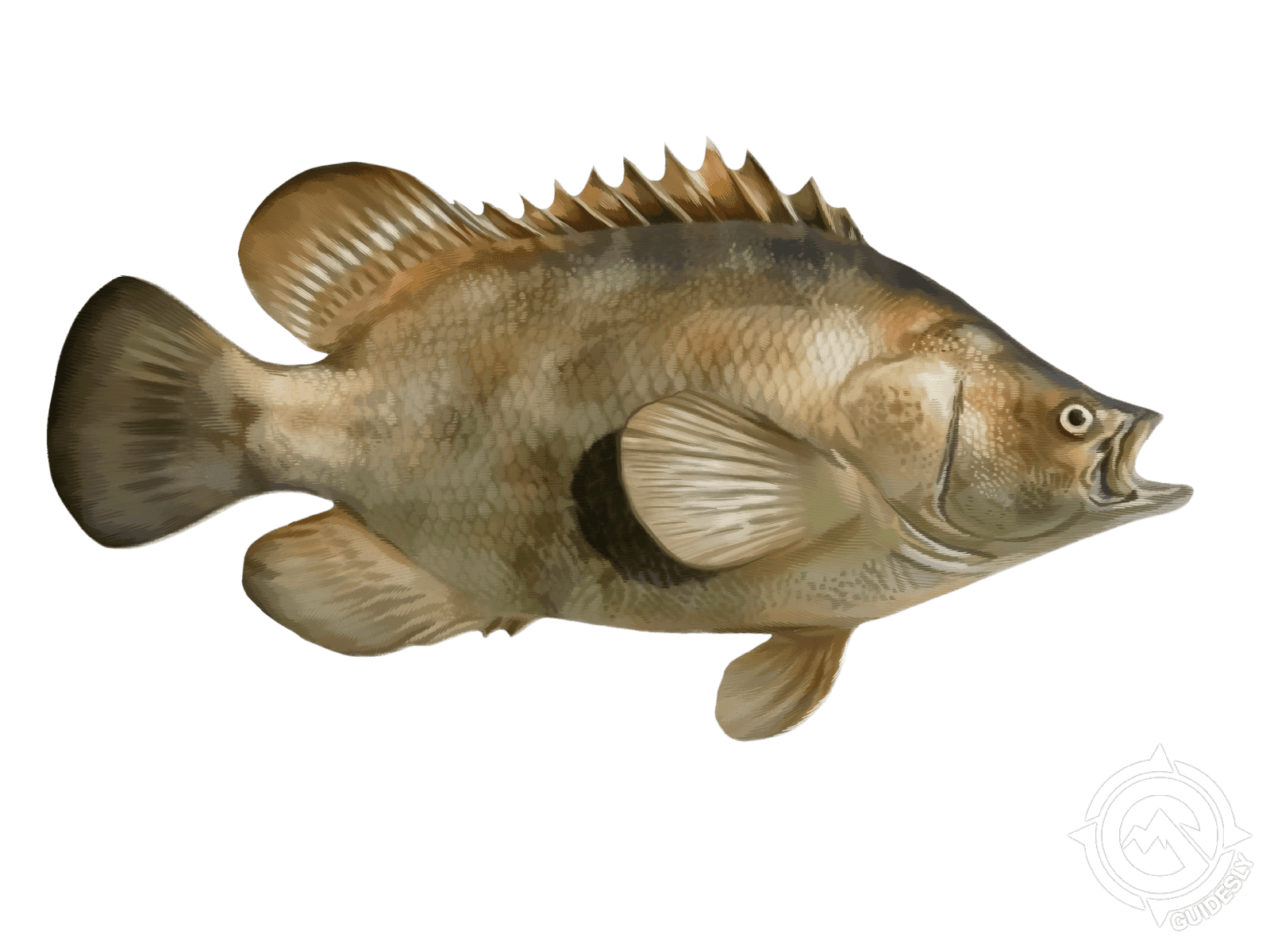
Tripletail are one of the Gulf's most unique fish - they literally look like floating debris until you get close. These oddball fighters average 5-15 pounds and get their name from the way their dorsal and anal fins mimic their tail. You'll find them drifting near the surface around weed lines, buoys, and floating objects in 20-100 feet. Summer months are best when they're most active near shore. What makes tripletail special is their ability to change colors and their surprisingly strong fight for their chunky build. The meat is outstanding - firm and white like snapper. Here's the key: approach slowly and cast well past them, then work your bait back. They spook easily but once hooked, they'll jump and pull hard. Live shrimp or small jigs work best.
About the Wish Upon A Fish
%2F%2Fusers%2F42b449cb-d3a9-44e3-8cf1-60631a2ff7af%2Fvehicle_picture%2F1bfbbabc-d4b2-495a-94a6-c2158edf37d3.jpg&w=1920&q=75)
Vehicle Guest Capacity: 6
Manufacturer Name: Yamaha
Maximum Cruising Speed: 45
Number of Engines: 1
Horsepower per Engine: 200