%2Ffit-in%2F250x250%2Fguide_websites%2F56857%2Fimages%2F1769130219396gemini_generated_image_2eyqoh2eyqoh2eyq-removebg-preview.png&w=1920&q=100)
Hogfish Caught on Clearwater Fishing Charter
Hogfish and Gulf Structure Fishing in Clearwater - What to Expect
%2F%2Fusers%2F42b449cb-d3a9-44e3-8cf1-60631a2ff7af%2Fimages%2Fhogfish-catch-clearwater-bay-fishing-3885.png&w=1920&q=75)
Fishing Charter by Captain Ethan Hamrick in April
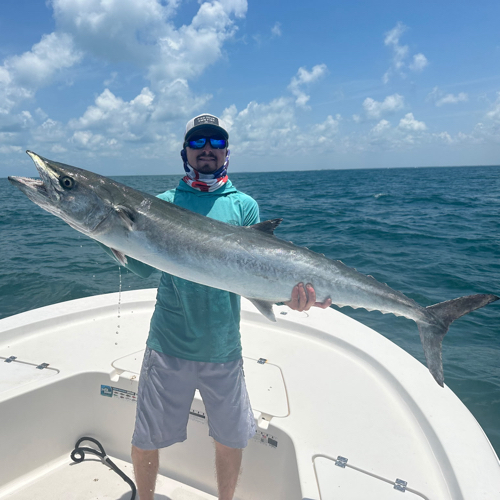
- Inshore & Nearshore Fishing In Clearwater Florida


Summary
Our half-day fishing charter through Clearwater's productive Gulf waters delivered exactly what we came for. Piloting a stable 22-foot platform, Captain Ethan guided us to wreck and structure where hogfish, grouper, and snapper hold. Fresh live bait and quality tackle made the difference on this Tuesday in April, turning a straightforward fishing trip into memorable Gulf action.
Nearshore Fishing with Captain Ethan Hamrick - Rates & Booking
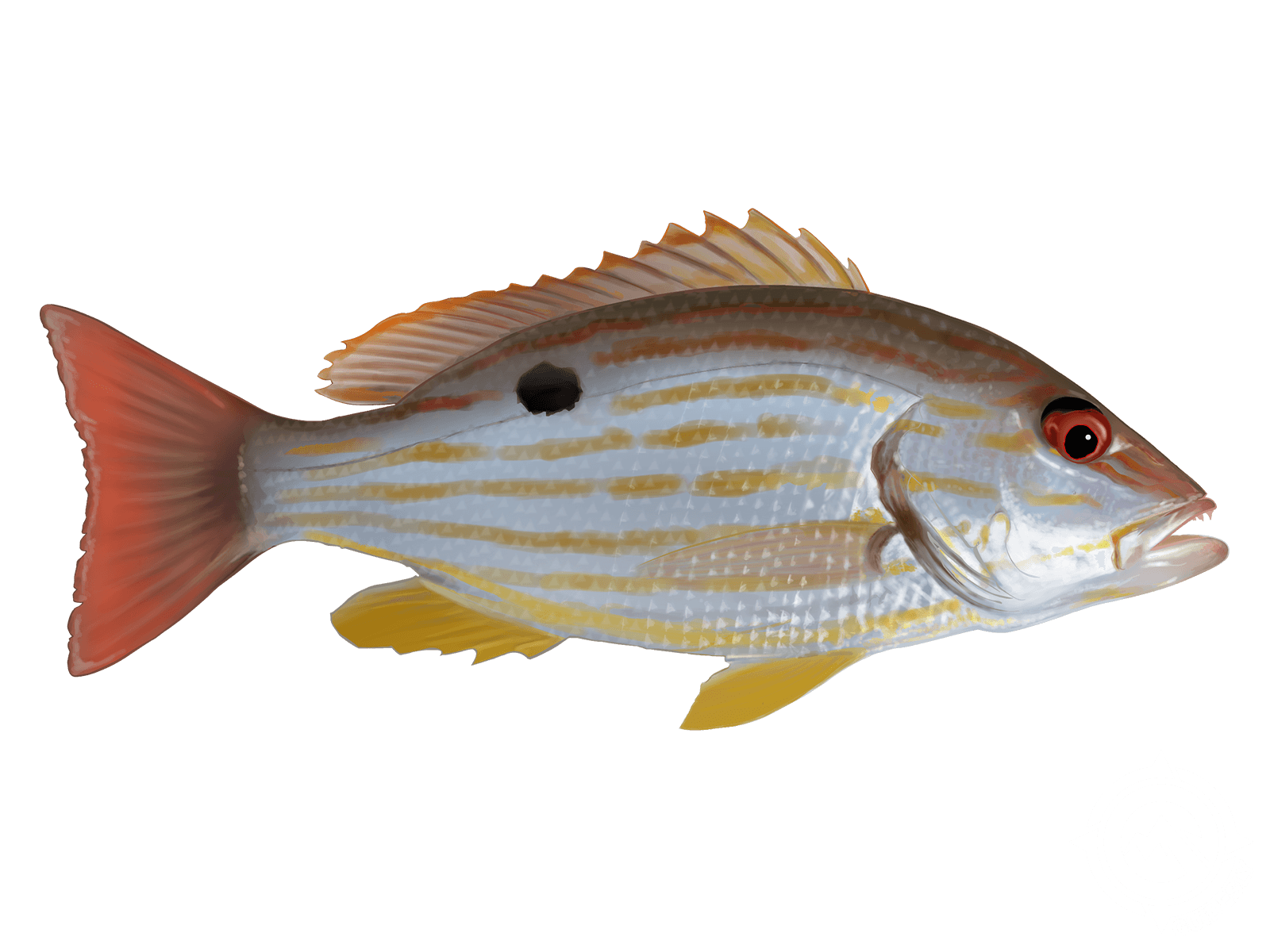
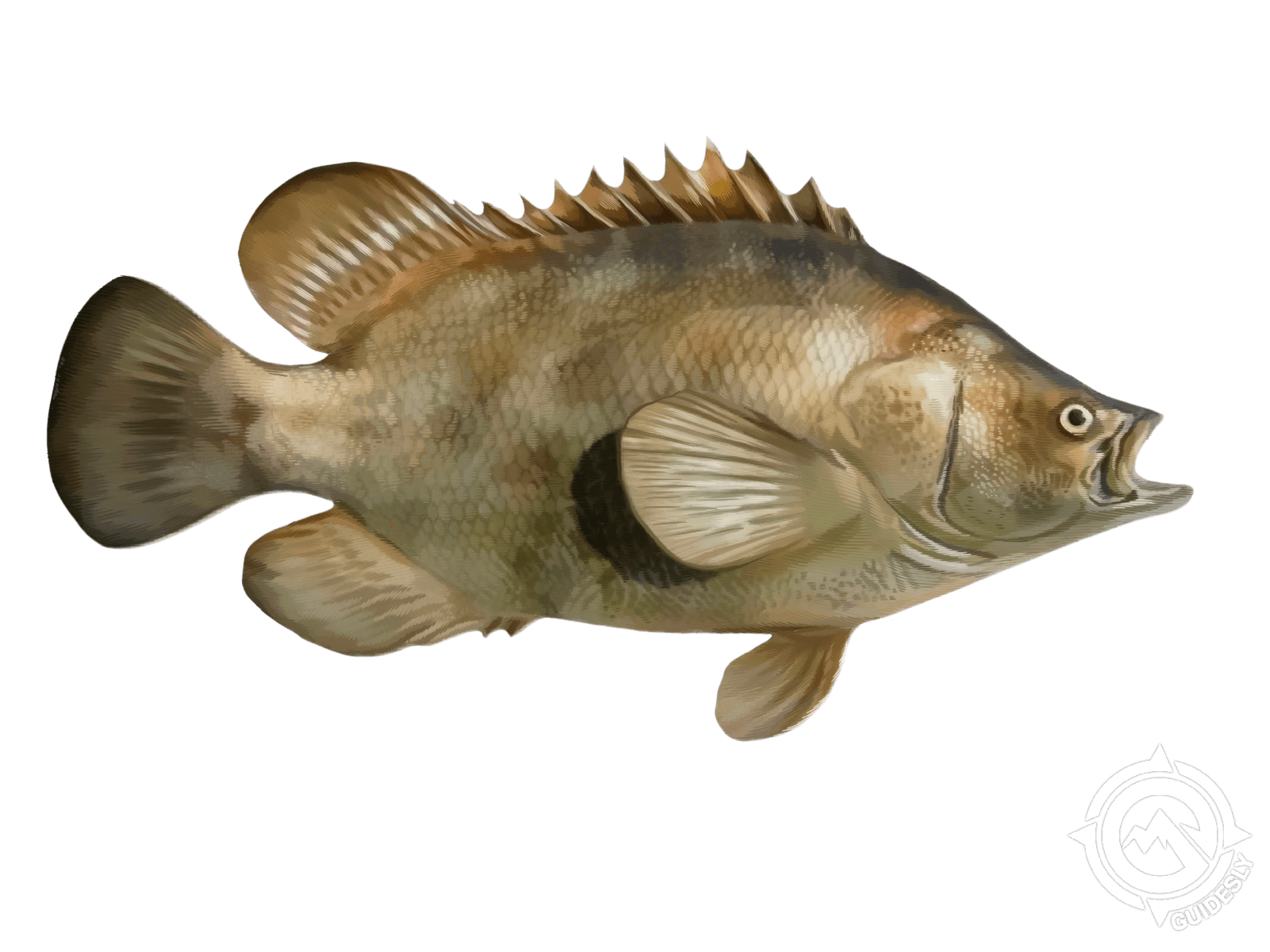
Captain Ethan Hamrick of Wish Upon A Fish Charters launched on Tuesday, April 14th, taking our group of two out on a half-day or three-quarter day nearshore expedition targeting Gulf structure and wrecks. The 4 or 6-hour trips focus on seasonal species including Cobia, King Mackerel, and Tripletail in the water column, plus bottom-holding Gag Grouper, Red Grouper, Mangrove Snapper, and Lane Snapper. Your booking includes a USCG licensed captain, Florida recreational fishing licenses, high-quality rods and reels, fresh live bait, and terminal tackle. Professional fish cleaning and filleting services wrap up the day at no extra charge.
The charter accommodates groups of two on Captain Ethan's 22-foot Tidewater, a stable platform built for productive nearshore conditions. Whether you're picking up a fishing rod for the first time or adding to your personal best count, this charter handles anglers at all levels. Rates vary by trip duration and season. Book online through Wish Upon A Fish Charters to secure your date and receive all-inclusive pricing.
Highlights of Clearwater Half Day and 3/4 Day Nearshore Fishing Charter
Fishing Gulf wrecks and structure around Clearwater puts you on consistent action during peak seasons. The variety of target species keeps things interesting - some days you're sight-casting to cruising predators like King Mackerel, other trips reward patience on the bottom with slot-sized snapper and grouper. Captain Ethan's local knowledge of where fish stack up around structure removes guesswork and maximizes your time on productive water.
The stable boat design and comfortable layout mean you can focus entirely on fishing without worrying about conditions or positioning. With everything provided - tackle, bait, licenses - there's nothing to arrange beyond showing up ready to fish. This is Gulf nearshore fishing simplified.
Local Species Insights: Hogfish and Gulf Bottom Dwellers
Hogfish are a signature catch on Clearwater's nearshore wrecks and rocky bottom. These stubborn fighters hang around structure, using their pig-like snout to root through sand and debris for crustaceans and small fish. When fresh live bait hits the water near wreck piles or rocky ledges, hogfish respond aggressively. They're strong enough to test your tackle but not so large that landing one requires specialized technique - making them perfect for both experienced anglers and those learning the ropes.
The Gulf waters off Clearwater hold consistent populations of hogfish alongside other structure-oriented species. Gag Grouper and Red Grouper prefer deeper wreck edges, while Mangrove Snapper and Lane Snapper scatter across bottom transitions. Each species reacts differently to bait presentation and structure position, which is why Captain Ethan's positioning strategy and tackle selections directly impact your success rate.
Water conditions around Clearwater's nearshore zone shift with season and weather, but the underlying structure remains productive year-round. Wrecks and rocky ledges create zones where baitfish congregate, attracting larger predators. The stable platform keeps your group anchored safely while maintaining precise positioning on productive bottom. This consistency, combined with fresh bait and quality tackle, removes variables and lets the fish do what they naturally do - feed.
Plan Your Nearshore Fishing Day
Half-day and three-quarter day trips fit different schedules while delivering serious fishing time. You'll spend the bulk of your charter actually fishing rather than running long distances - more time on productive water means more opportunities. Captain Ethan provides everything needed: rods, reels, bait, tackle, and licenses. Bring sunscreen, polarized sunglasses, and comfortable shoes. The 22-foot boat accommodates your group of two comfortably, with enough deck space to move freely and fish without crowding. Fish cleaning wraps up the day, so you leave with cleaned fillets ready for the kitchen.
Fishing in Clearwater, FL: Hogfish
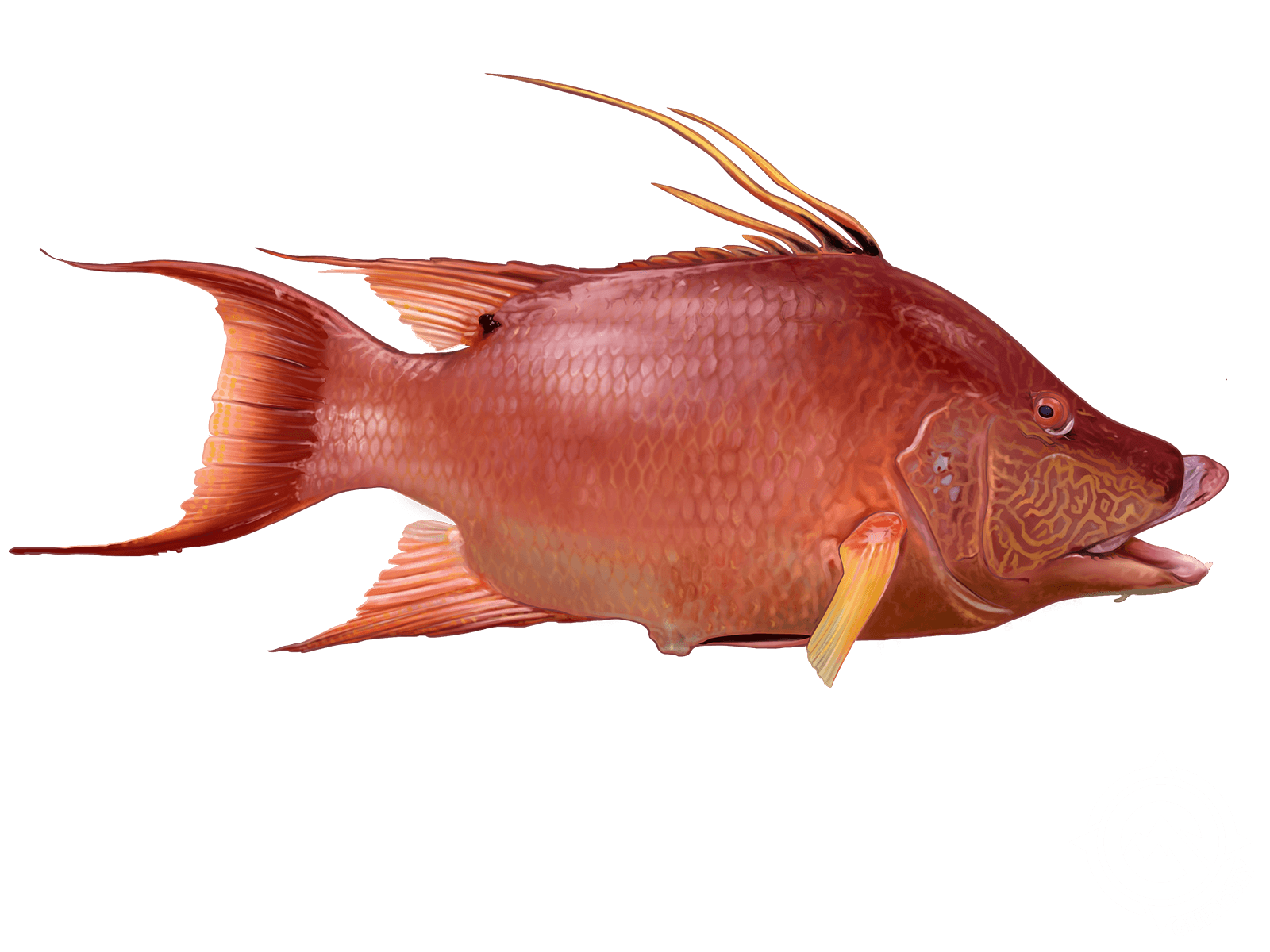
Hogfish Overview
The Hogfish, scientifically known as Lachnolaimus maximus, is a member of the Labridae family within the order Perciformes. This remarkable wrasse gets its common name from its distinctively prominent snout, which closely resembles that of a pig—a feature that makes it instantly recognizable to divers and anglers alike. What makes the Hogfish truly special is not just its appearance but its behavior; these curious fish are known to swim alongside divers and investigate new sounds in the water with an almost playful inquisitiveness. Found throughout reef systems and structured habitats along coastal areas, the Hogfish has become a favorite target for both recreational anglers and spearfishers seeking an exciting challenge and a rewarding catch.
Hogfish Habitat and Distribution
Hogfish are predominantly found in open bottoms and coral reef environments, preferring depths ranging from 10 to 100 feet (3 to 30 meters). They show a strong affinity for the edges of reefs where they form small, organized schools. These fish are particularly attracted to hard sand and rock bottoms, areas rich in the shellfish and crustaceans they depend on for food. Structurally, they favor hardbottoms with small cracks and live corals, as well as rocky areas with at least 1 to 5 feet of relief and natural ledges. Around popular fishing destinations like the Florida Keys and throughout the Caribbean, Hogfish congregate in predictable zones, making them accessible to both experienced and novice anglers willing to seek out the right habitat.
Hogfish Size and Weight
Adult Hogfish typically range from 10 to 36 inches in length, with most specimens weighing between 8 and 24 pounds. The largest specimens on record have reached approximately 3 feet (0.91 meters) in length and tipped the scales at around 22 pounds (10 kilograms). Juvenile Hogfish are noticeably smaller and tend to focus their feeding efforts more heavily on mollusks and echinoderms before transitioning to a more diverse diet as they mature. The sexual maturity of these fish—and their ability to change gender—typically occurs around 3 years of age, which corresponds to a certain size threshold within their population.
Hogfish Diet and Behavior
As carnivorous feeders, Hogfish are equipped with specialized canine teeth designed for shredding and processing tough shellfish and crustaceans. Their hog-like snout serves as a primary foraging tool, allowing them to dig through sand and reef rubble much like a pig rooting in soil. They actively consume mud crabs, small crabs, sea urchins, and a variety of mollusks, using their snout and teeth in coordinated fashion to expose and extract prey. Behaviorally, Hogfish are notably curious and bold; they're attracted to vibrations and sound in the water and tend to investigate anything that might signal a food source. However, this aggressive feeding behavior comes with a territorial streak—these fish are known bullies that harass smaller species, establishing dominance within their schools. Interestingly, Hogfish are hermaphroditic, with the ability to change from female to male once reaching a certain size and maturity level, a phenomenon that maintains balance within their hierarchical social structure.
Hogfish Spawning or Seasonal Activity
Hogfish reach sexual maturity at approximately 3 years of age, at which point females have the biological capacity to transform into males based on environmental cues and their position within the school hierarchy. They typically live in schools with one dominant male and multiple females, though this dynamic shifts when a female grows sufficiently large to trigger a gender transition. The presence of a black spot behind the pectoral fins is an exclusive male characteristic, making sex identification straightforward for experienced observers. While specific spawning seasons vary by region and water temperature, these fish remain relatively active year-round in tropical and subtropical waters, with increased feeding intensity during warmer months when prey is more abundant.
Hogfish Techniques for Observation or Capture
Spearfishing Method: Many experienced anglers and divers favor spearfishing as the most effective technique for pursuing Hogfish. This method requires a steady hand, sharp reflexes, and knowledge of reef structure. Approach areas with hard bottoms, live coral, and rocky formations where these fish congregate. Move slowly and deliberately, allowing the fish to become accustomed to your presence. Hogfish are naturally curious and may swim toward you, especially if you create subtle vibrations or sounds in the water—mimicking the disturbance of prey. A quality speargun with good accuracy range (typically 4 to 8 feet) increases your success rate significantly.
Hook and Line with Live Bait: While traditional hook-and-line fishing presents challenges due to their snout and aggressive strikes, it remains viable with the right approach. Use live mud crabs or live shrimp as bait; the struggling motion and sound generated by live prey will attract nearby Hogfish. Cast near structure—ledges, rocky outcroppings, and reef edges—and be prepared for fast, hard strikes. Medium to medium-heavy tackle with quick reflexes is essential, as these fish don't hesitate once they commit to a strike. Around popular destinations like the Florida Keys, hiring a local guide familiar with prime Hogfish territory dramatically increases your chances of connecting with these aggressive feeders.
Attraction and Curiosity-Based Tactics: Take advantage of the Hogfish's inquisitive nature by creating underwater noise and vibrations. Some anglers report success using chumming techniques near structured areas, which draws fish closer while you prepare your rod or spear. The species' boldness means they'll often investigate divers and snorkelers, so remaining calm and moving deliberately can lead to excellent photo opportunities or capture attempts.
Hogfish Culinary or Utilization Notes
Hogfish has earned a solid reputation among seafood enthusiasts and is considered good eating with mild flavor and subtle sweet undertones. The meat is firm and white, making it versatile for various cooking methods—grilling, pan-searing, and baking are all popular preparations. Some anglers and chefs argue that Hogfish actually surpasses Grouper in sweetness and overall flavor quality, making it a prized table fish throughout the Caribbean and Florida. From a nutritional standpoint, Hogfish is rich in protein and omega-3 fatty acids, supporting a healthy diet. The species is sustainably abundant in most regions where it's found, meaning responsible harvesting aligns well with environmental stewardship.
Hogfish Frequently Asked Questions
Q: What is the best bait or technique for catching Hogfish?
A: Live mud crabs and live shrimp work exceptionally well as bait, as their movement and vibrations attract Hogfish. However, spearfishing is considered the gold standard by most experts due to the species' aggressive nature and fast strikes. If using hook and line, be prepared for explosive takes and have your drag set appropriately to handle powerful runs.
Q: Where can I find Hogfish, especially around popular fishing destinations?
A: Hogfish thrive in structured reef environments, hard-bottom areas, and rocky ledges at depths between 10 and 100 feet. Look for areas with live coral, small cracks in the reef, and noticeable relief. Around locations like the Florida Keys, charter captains know the best Hogfish grounds, typically on reef systems and near prominent wrecks where structure attracts these fish in numbers.
Q: Is Hogfish good to eat?
A: Absolutely. Hogfish is considered excellent eating with mild, sweet meat that many compare favorably to Grouper. The white, firm flesh is versatile and takes well to most cooking techniques. It's also nutritionally dense, offering good protein and omega-3 fatty acids, making it both delicious and health-conscious.
Q: When is the best time to fish for Hogfish?
A: Hogfish are active year-round in tropical and subtropical waters, but feeding intensity increases during warmer months when prey availability is highest. Morning hours and overcast days often produce consistent results, as these fish are more active when light levels are moderate rather than in bright midday conditions.
Q: How can I distinguish between male and female Hogfish?
A: Males are the only sex that displays a distinctive black spot behind their pectoral fins. Additionally, males exhibit brighter coloration overall, particularly in their orange-tinted fins, while females tend toward more muted tones. This visual distinction makes field identification straightforward for experienced anglers and divers.
Q: Why are Hogfish so aggressive toward other fish?
A: Hogfish are territorial feeders with a dominant social hierarchy. Their aggressive behavior toward smaller fish is a natural extension of their assertive foraging style and their position within school hierarchies. This bullying behavior helps them secure access to prime feeding zones and maintains their dominance within their social group.
More species you can explore on this trip
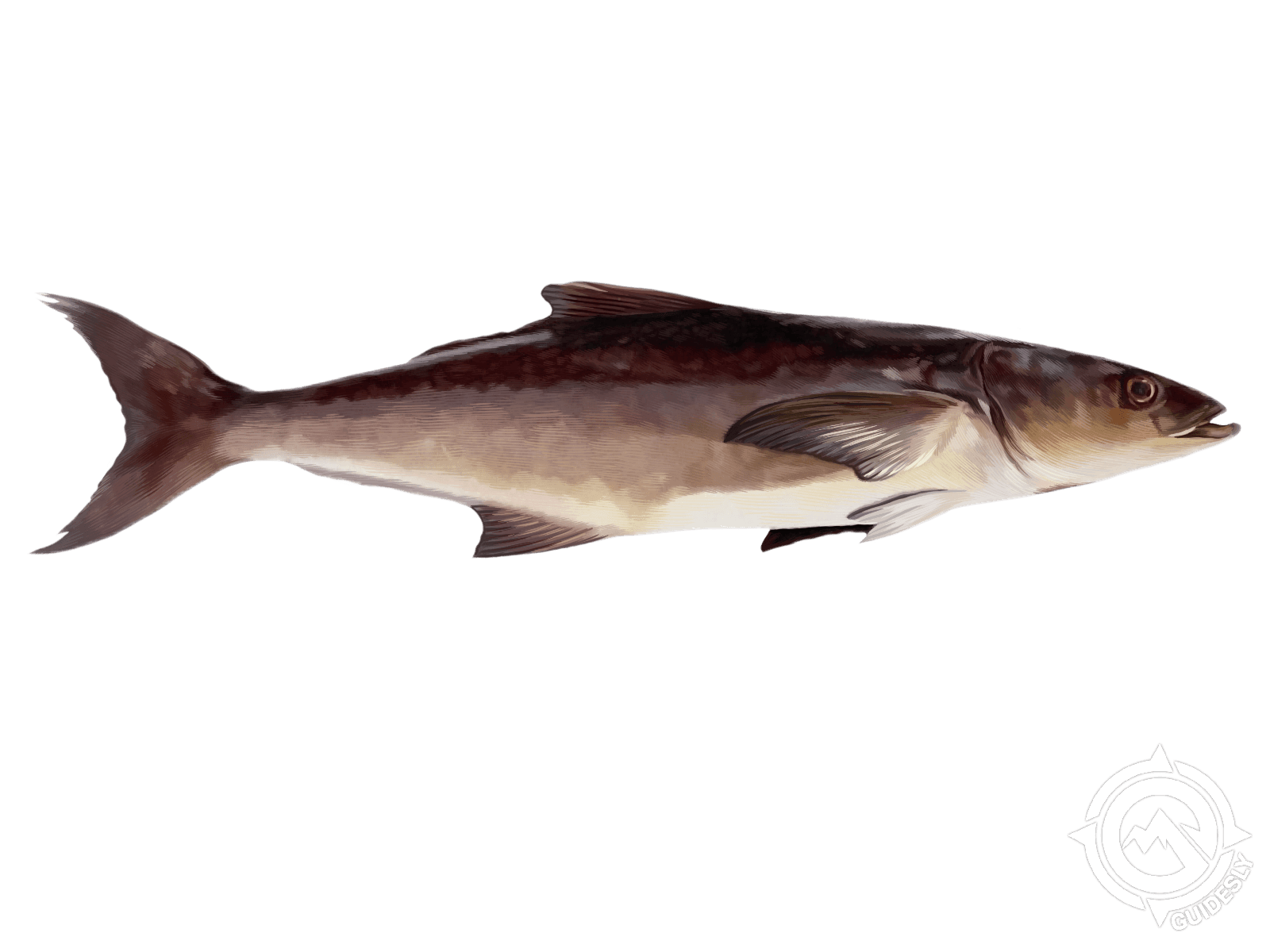
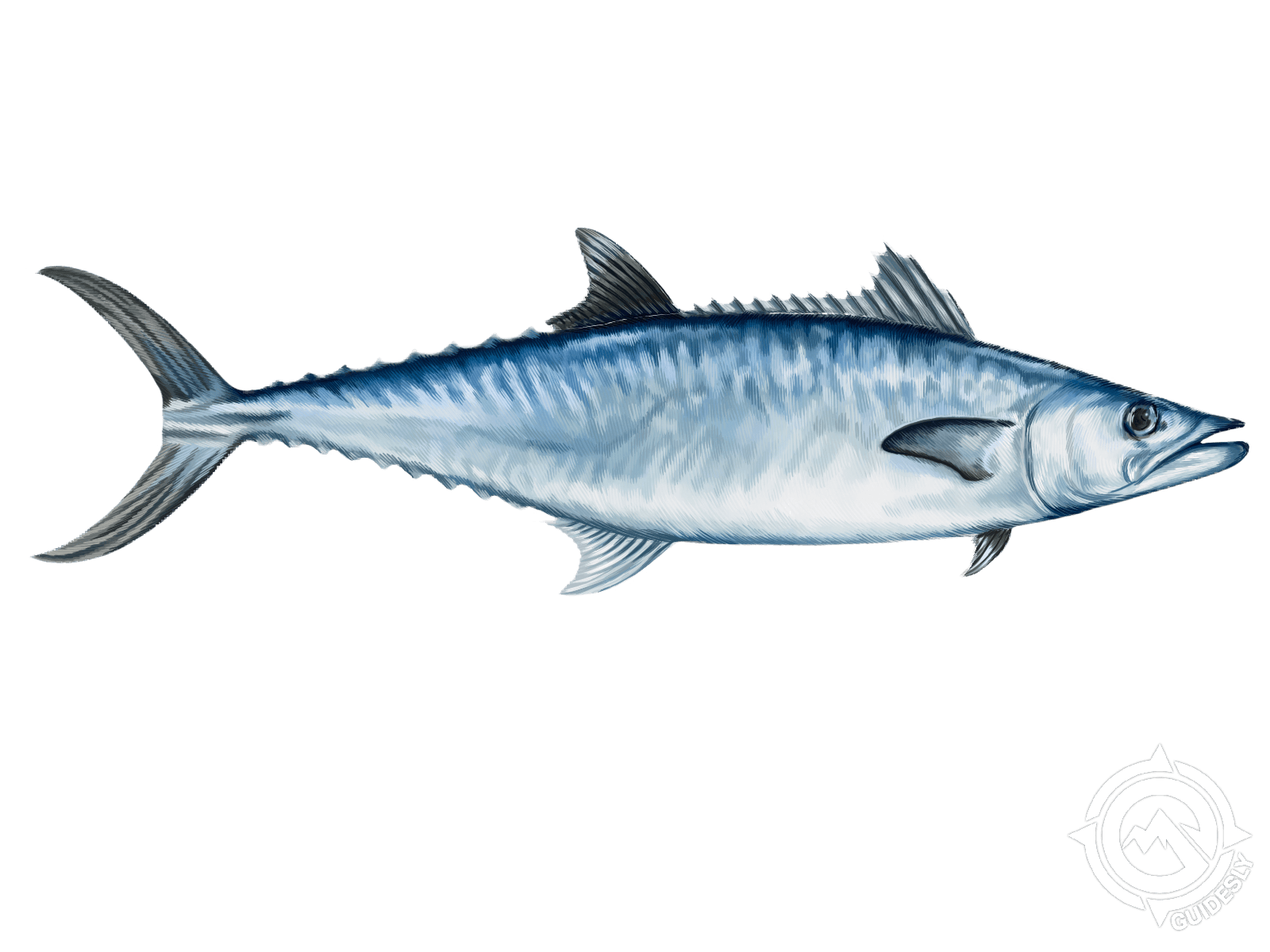

Wish Upon A Fish Charters Available Trips
Captain Ethan's 22-foot Tidewater is built for working the nearshore Gulf without compromise. The boat sits stable in moderate swell, which matters when you're focused on feeling bottom structure and detecting bites rather than fighting the ride. The layout maximizes fishing space - you've got clear access to cast and work the rail without stepping over gear or bumping into other people. The deck is laid out so you can comfortably position yourself at different spots depending on where structure drops or where Captain Ethan positions for current and drift. The boat's design handles the water around Clearwater well, maintaining control when you're anchored tight on a wreck or working through a productive run. Inside, there's shelter and relief from sun exposure when conditions get intense. Everything about the boat setup supports productivity - the angles, the sight lines, the stability underfoot - so you're thinking about fishing, not about whether the boat is up for the job.