%2Ffit-in%2F250x250%2Fguide_websites%2F56857%2Fimages%2F1769130219396gemini_generated_image_2eyqoh2eyqoh2eyq-removebg-preview.png&w=1920&q=100)
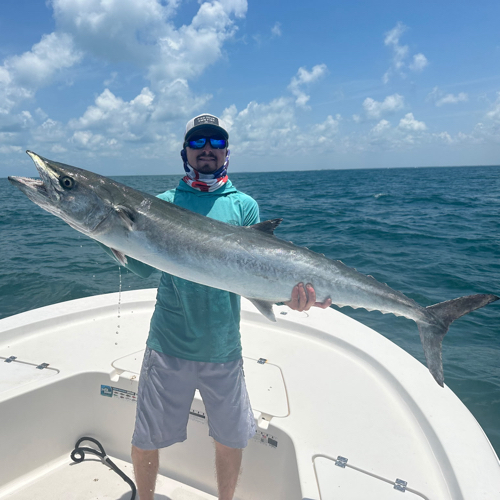
Ladyfish Caught on Clearwater Bay Fishing Charter
Ladyfish & Inshore Species in Clearwater Bay - What to Expect
%2F%2Fusers%2F42b449cb-d3a9-44e3-8cf1-60631a2ff7af%2Fimages%2Fclearwater-bay-ladyfish-catch-12873.png&w=1920&q=75)
Fishing Charter by Captain Ethan Hamrick in April
- Inshore & Nearshore Fishing In Clearwater Florida


Summary
Join Captain Ethan of Wish Upon A Fish Charters on Tuesday, April 14th for an extended inshore fishing charter in Clearwater Bay. This 5-hour guided fishing trip targets redfish, snook, spotted seatrout, and ladyfish across the bay's prime locations. All gear, tackle, live bait, and your Florida fishing license are included for this hands-on experience.
Inshore Fishing with Captain Ethan - Rates & Booking
Captain Ethan Hamrick of Wish Upon A Fish Charters on Tuesday, April 14th offers an extended 5-hour inshore fishing charter designed to maximize your time on the water around Clearwater Bay. This trip accommodates up to 2 guests and includes everything you need to chase multiple species across the bay's best habitat. All high-quality rods, reels, tackle, and live bait are provided, plus your Florida fishing license is covered in the rate. Morning and afternoon departures are available to fit your schedule. Bring polarized sunglasses and reef-safe sunscreen for comfort during your time on the water. Cold refreshments are included throughout the charter. Ready to book your fishing adventure? Contact Captain Ethan through Wish Upon A Fish Charters to reserve your spot and discuss the best departure time for your skill level.
Highlights of Extended Clearwater Inshore Fishing Charter
This extended inshore charter gives you the room to really explore Clearwater Bay and dial in your technique. Five hours on the water means you're not rushing between spots - you can follow the action, try different areas, and learn what works best. Whether conditions favor redfish in the shallows, snook around structure, or spotted seatrout cruising the deeper flats, Captain Ethan knows exactly where to position the boat for success.
The 22-foot Tidewater bay boat is built for these waters. She handles the shallows with ease, giving you and your fishing buddy plenty of comfortable room to work your rods without getting in each other's way. The setup lets you focus entirely on fishing rather than worrying about the boat or gear - it's all dialed in and ready to go.
Local Species Insights: Ladyfish in Clearwater Bay
Ladyfish are one of Clearwater Bay's most exciting targets, and they show up regularly throughout the year. These silver speedsters earned their reputation for spectacular aerial displays - once hooked, they'll jump and run in ways that'll test your casting arm and your patience. They're aggressive hunters that respond well to live bait and small artificial lures, making them a blast for anglers of all skill levels.
What makes ladyfish so fun is their willingness to bite and their energy in the fight. They're built for speed and maneuverability, which means the fight is never boring. You'll see them cruising the same flats and grass edges where redfish and snook hunt. The bay's shallow waters and abundant bait create perfect hunting grounds for ladyfish, especially during morning and afternoon light windows when they're most active.
On this extended charter, you'll have the time to sight-fish for ladyfish in clear water or work live bait in productive zones. Captain Ethan reads the water and knows the seasonal patterns that bring these fish into predictable feeding areas. Whether you're new to fishing or a seasoned angler, the combination of ladyfish accessibility and genuine fight-to-landing challenge makes them a highlight of most Clearwater Bay trips.
Plan Your Extended Clearwater Bay Fishing Day
Your 5-hour charter starts with Captain Ethan getting you set up on the 22-foot bay boat with all gear ready. The charter works equally well for morning or afternoon sessions, so pick whichever fits your schedule best. You'll have up to 2 people, which gives you and a friend or family member plenty of space to fish comfortably without crowding.
Everything's included: rods, reels, tackle, live bait, your Florida fishing license, and cold drinks. Just bring polarized sunglasses to cut the water's glare and reef-safe sunscreen to protect yourself from the bay's sun. Five full hours on the water gives Captain Ethan room to explore different areas, follow fish movement, and really dial in what's working. Whether you're just starting out or you've been fishing for years, this trip accommodates your skill level while maximizing your chances of connecting with redfish, snook, spotted seatrout, ladyfish, and other bay species.
Fishing in Clearwater, FL: Ladyfish
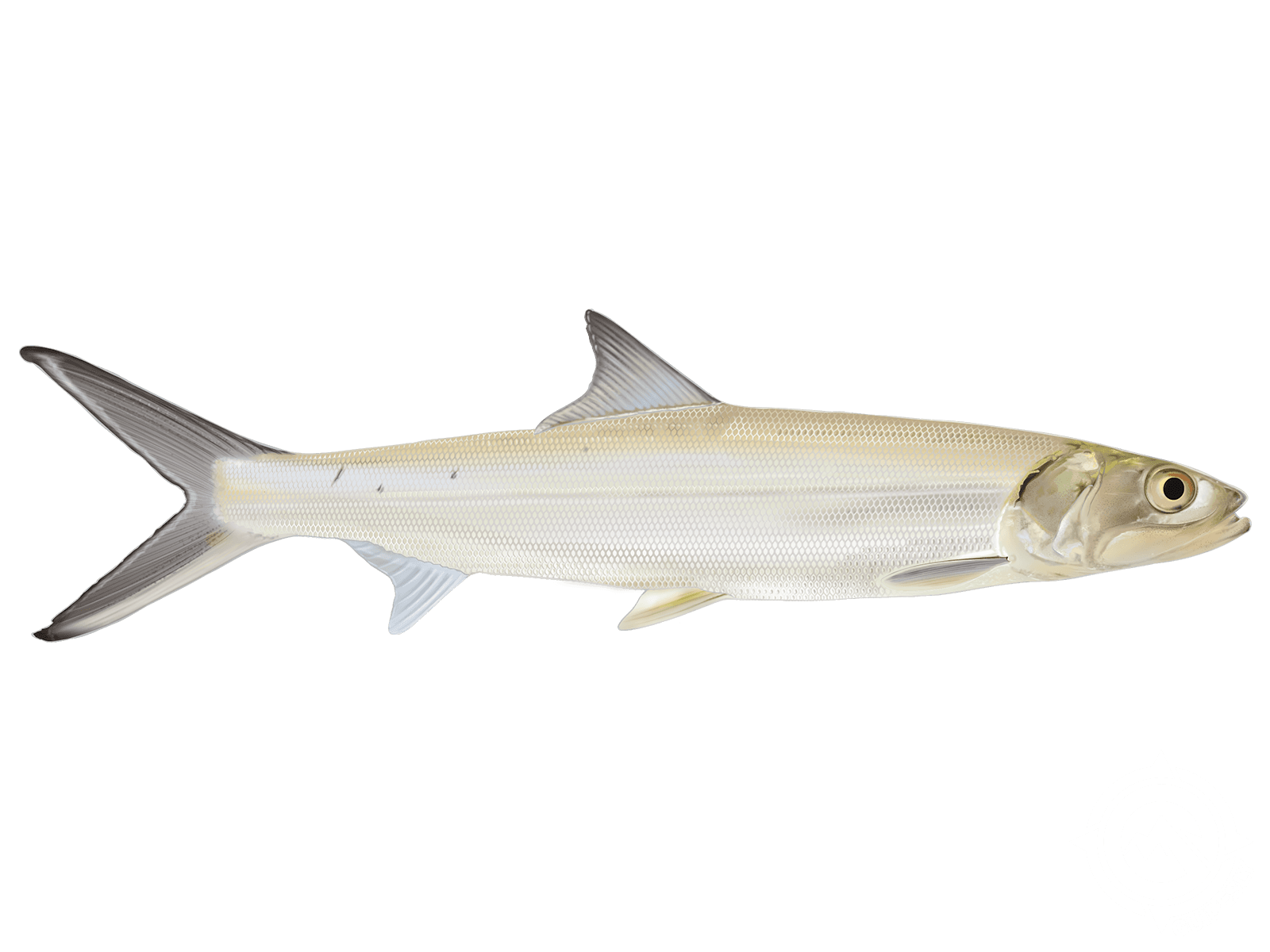
Ladyfish (Elops saurus) Overview
The Ladyfish, scientifically known as Elops saurus, is a captivating member of the Elopidae family within the order Elopiformes. Often affectionately called the "poor man's tarpon," this sleek, silvery predator is renowned among light-tackle anglers for its acrobatic jumps and aggressive strikes. With its distinctive forked tail, streamlined body, and bluish-green upper coloring, the Ladyfish cuts an impressive figure in coastal waters from New England to Florida and throughout the Gulf of Mexico. What makes this species particularly special is its incredible salinity tolerance and year-round availability, making it an accessible target for both seasoned anglers and curious newcomers exploring Florida's rich fishing heritage.
Ladyfish Habitat and Distribution
The Ladyfish thrives in tropical and subtropical coastal environments, showing remarkable adaptability across a wide range of salinity levels. You'll find them cruising through brackish estuaries, hypersaline lagoons, mangrove-lined bays, and reef-abundant areas, often venturing up coastal streams in search of prey. These pelagic fish inhabit the western North Atlantic Ocean from New England southward, with particularly strong populations throughout the Gulf of Mexico, Bermuda, and along the southeastern United States coastline. Juvenile Ladyfish prefer low-salinity estuaries where they develop before migrating to deeper offshore marine habitats; adults can be found at depths exceeding 160 feet several miles offshore. Interestingly, this species also shares habitat with its cousin, the malacho (Elops smithi), in southern Gulf waters, and populations have been documented as far as Vietnam, Taiwan, China, and Brazil.
Ladyfish Size and Weight
The Ladyfish typically ranges from 12 to 39 inches in length, with average specimens weighing between 1 to 3 pounds. However, historical records indicate these impressive fighters can reach up to 35 inches and weigh as much as 30 pounds under ideal conditions, making larger individuals genuinely exciting catches for dedicated anglers. Most fish you'll encounter on typical coastal outings fall toward the smaller end of this spectrum, but don't let that fool you—even modest-sized Ladyfish deliver explosive action that far exceeds their weight class.
Ladyfish Diet and Behavior
The Ladyfish exhibits a strictly carnivorous lifestyle adapted to its life stage. Larvae absorb nutrients directly from the water column, while young fish transition to zooplankton, small insects, and crustaceans as they develop. Juvenile Ladyfish feast enthusiastically on small crustaceans before maturing into apex predators of small bony fishes—particularly menhaden and silversides—along with any available crustaceans. These aggressive hunters are known for their explosive feeding behavior and lightning-quick reflexes. When hooked, Ladyfish are notorious for their acrobatic displays, jumping and skipping frantically across the water's surface while attempting to dislodge the line. Anglers often describe the experience as thrilling yet occasionally frustrating, as these feisty fish thrash with determined vigor and possess small but sharp teeth capable of severing careless knots.
Ladyfish Spawning and Seasonal Activity
The Ladyfish spawns in open ocean waters, though specific seasonal timing details remain relatively understudied. What makes this species remarkable for anglers is its availability year-round—you can pursue Ladyfish at any time of day, under any tidal condition, and during every season without significant seasonal closures. This consistent availability is one reason they've become such popular targets for recreational anglers seeking reliable action. While they demonstrate exceptional thermophilic characteristics (preferring warm water), the species has proven hardy enough to maintain populations even in cooler climates, though some mortality events have been documented during particularly cold snaps in Florida.
Ladyfish Techniques for Observation and Capture
Light-Tackle Fly Fishing: The Ladyfish is an excellent target for fly anglers pursuing inshore action without a boat. Wade along shallow bays, flats, and beaches using 6 to 8-weight rods and casting hair jigs or small flies toward schools of feeding fish. These responsive hunters strike readily at artificial offerings, and landing one on fly tackle delivers an unforgettable light-tackle experience. Around popular Florida coastal areas, dawn and dusk provide prime feeding windows, though daylight hours remain productive.
Spinning Rod Techniques: Anglers using conventional spinning rods and reels can deploy live shrimp, bubble rigs, squid, and jerk baits from piers, canal banks, and beach access points. Cast into deeper pockets within bays where Ladyfish school, and prepare for aggressive strikes. A heavy mono leader or fluorocarbon line is essential—these sharp-toothed fighters will test your knots continuously. Retrieve with jerky, erratic movements to trigger strikes.
Bait Fishing from Shore: Work piers and canal structures using live shrimp, crabs, or cut bait presentations. The Ladyfish readily accepts natural offerings, and this approach suits anglers preferring stationary setups. Around the bays near major coastal cities, these accessible locations provide excellent opportunities regardless of experience level or equipment investment.
Ladyfish Culinary and Utilization Notes
The Ladyfish carries a somewhat unfair reputation as a "trash fish," though this perception stems more from recreational fishing tradition than culinary merit. While this species ranks as average for food quality and remains marketed primarily as fresh fish rather than a premium culinary target, it is technically edible and has sustained both subsistence fishing communities and sport anglers seeking dinner. Most recreational anglers practice catch-and-release due to the species' superior fighting qualities and secondary food value compared to other available options. From a sustainability perspective, the International Union for the Conservation of Nature (IUCN) classifies Ladyfish populations as "Least Concern" due to their abundance and broad distribution, making them an environmentally responsible target for recreational engagement.
Ladyfish Frequently Asked Questions
Q: What is the best bait for catching Ladyfish?
A: Live shrimp, hair jigs, bubble rigs, crabs, squid, and small jerk baits all produce excellent results. The Ladyfish responds aggressively to these offerings, particularly when retrieved with jerky, erratic movements that trigger feeding instincts. Cut mullet and Ladyfish themselves are popular when targeting snook and other predators in the same waters.
Q: Where can I find Ladyfish in Florida?
A: The Ladyfish thrives throughout Florida's coastal bays, estuaries, and shoreline structures from the Gulf of Mexico to the Atlantic coast. Look for them in mangrove areas, around piers, along beaches, and in shallow bays where small baitfish congregate. They're present year-round, making Florida an excellent destination for consistent Ladyfish action.
Q: When is the best time to catch Ladyfish?
A: The Ladyfish remains active any time of day, under any tidal condition, throughout the entire calendar year. For optimal success, focus on dawn and dusk periods when feeding activity peaks, though productive daytime action occurs regularly in coastal bays and shallow water environments.
Q: Why do Ladyfish jump so much when hooked?
A: This acrobatic behavior is a natural defense mechanism—the Ladyfish thrashes and skips along the surface attempting to dislodge hooks from its mouth. These impressive aerial displays make them exciting sport fish, though anglers must maintain tension and use sturdy leaders to prevent line breakage during these dramatic fights.
Q: Do I need a boat to catch Ladyfish?
A: No—the Ladyfish can be caught successfully from shore using fly rods, spinning rods, and conventional tackle. Piers, canal banks, beaches, and wading flats provide excellent access for land-based anglers seeking reliable action without boat ownership or rental expenses.
Q: Are Ladyfish good to eat?
A: While technically edible, the Ladyfish ranks as average food quality and is seldom kept for consumption compared to other available species. Most anglers practice catch-and-release to preserve their populations and focus on the superior sport and fighting qualities these remarkable fish deliver. Sustainable recreational engagement with healthy, abundant populations remains the preferred modern approach.
More species you can explore on this trip
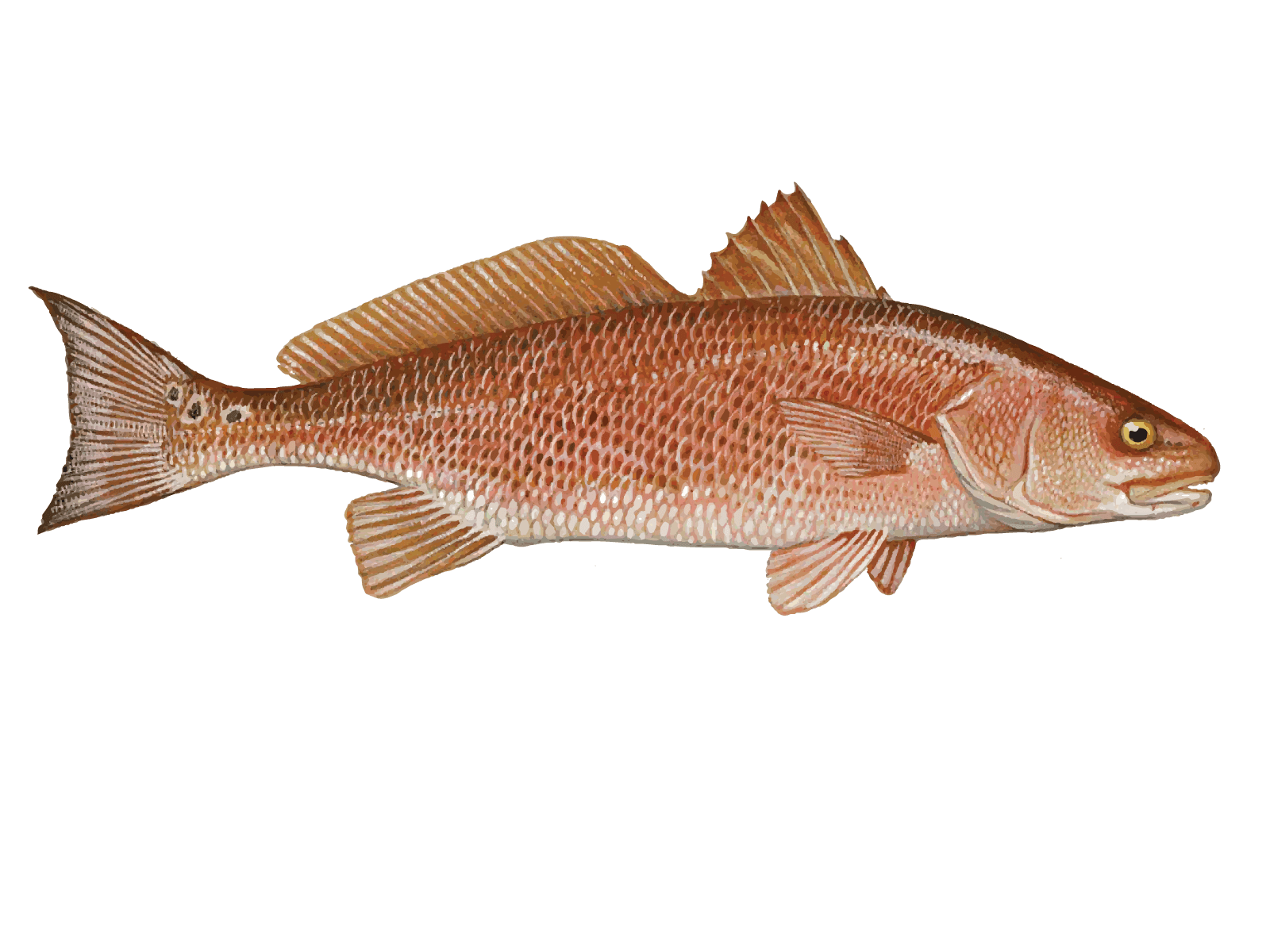
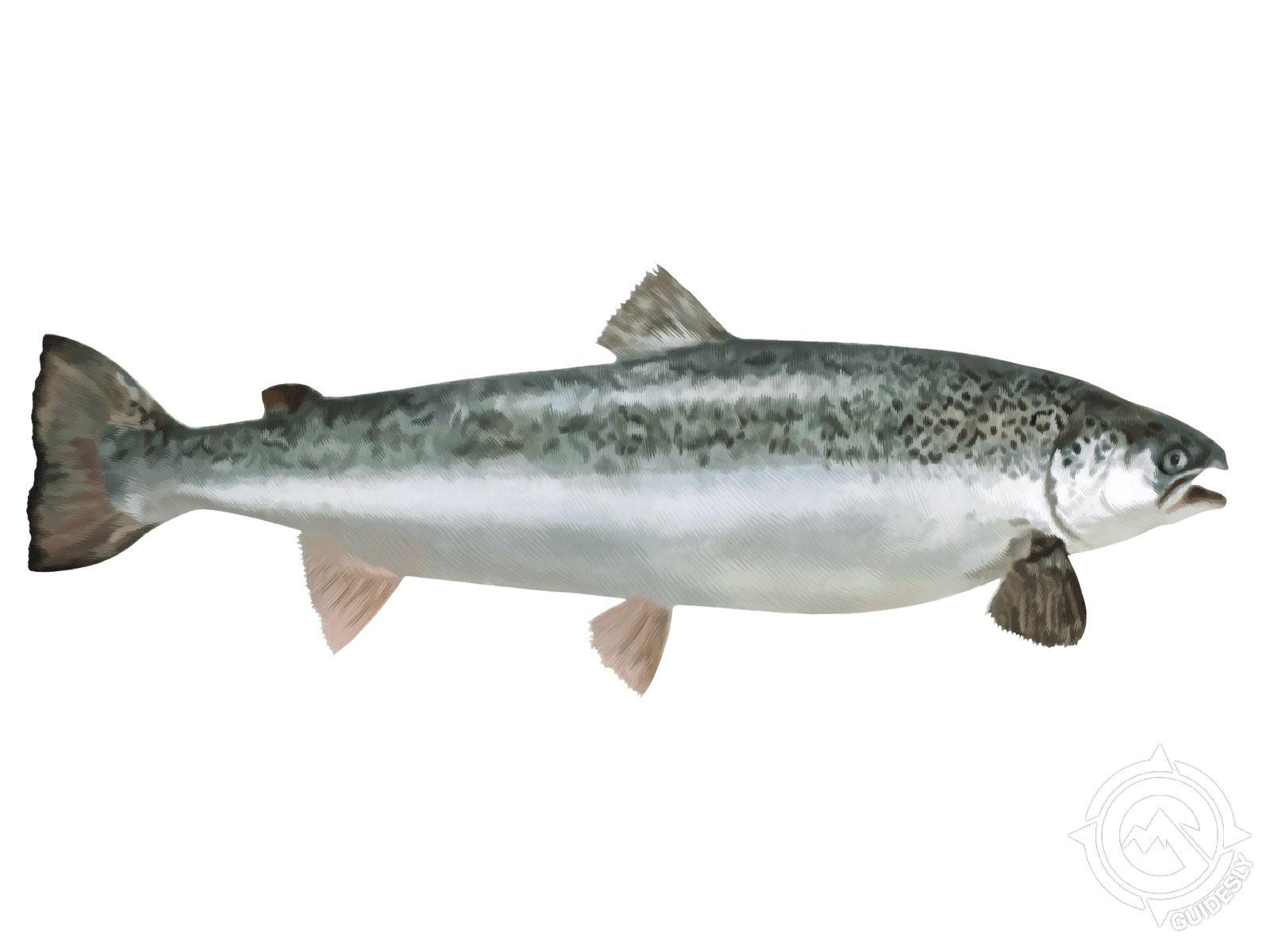

Wish Upon A Fish Charters Available Trips
The 22-foot Tidewater bay boat is your home base for five hours of serious fishing around Clearwater Bay. She's built specifically for these shallow, protected waters - drawing minimal draft so Captain Ethan can get you into spots that bigger boats can't reach. The boat gives you and your buddy genuine working room on the deck without feeling cramped. Everything is rigged and ready when you step aboard: quality rods and reels mounted in holders, tackle organized and accessible, and coolers stocked with live bait and cold drinks. You get solid shade coverage to break up the sun's intensity throughout your trip. The console area keeps Captain Ethan in control while giving you a clear view forward. The layout is practical and focused on fishing - no wasted space, no unnecessary bells and whistles, just a solid platform designed to help you catch fish. You'll notice the stability in the water, especially when you're working artificial lures or setting the hook on something that decides to run. It's comfortable enough to fish hard for five hours without beat-up muscles, and the boat handles the bay's typical conditions without drama.